Author: Shobna Mohan
Date: 11 November 2025
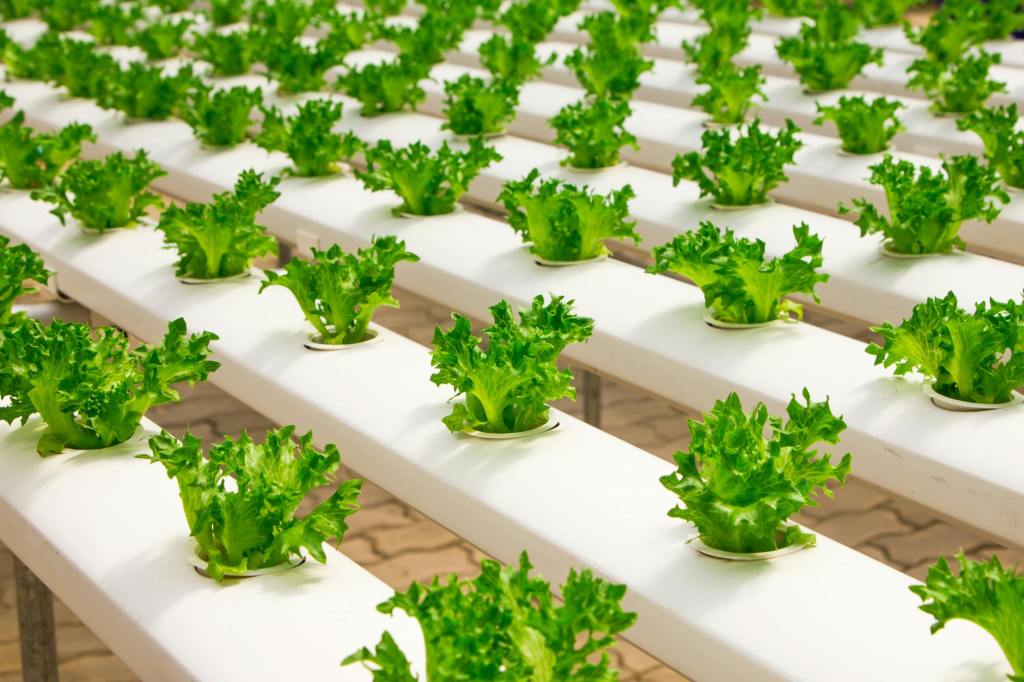
Hydroponic farming, once a futuristic concept, has now taken a firm root in modern agriculture. By growing plants without soil and feeding them through nutrient-enriched water, hydroponics is redefining how we think about farming – making it smarter, cleaner, and more efficient.
In a world challenged by shrinking arable land, erratic climate patterns, and increasing food demand, hydroponics offers an adaptable, sustainable path forward. Unlike traditional soil-based farming, hydroponic systems precisely control light, water, pH, and nutrients, creating an optimized environment for plant growth. The result? Faster harvests, higher yields, and consistent produce quality — all with up to 90% less water than conventional methods [1].
From Innovation to Implementation
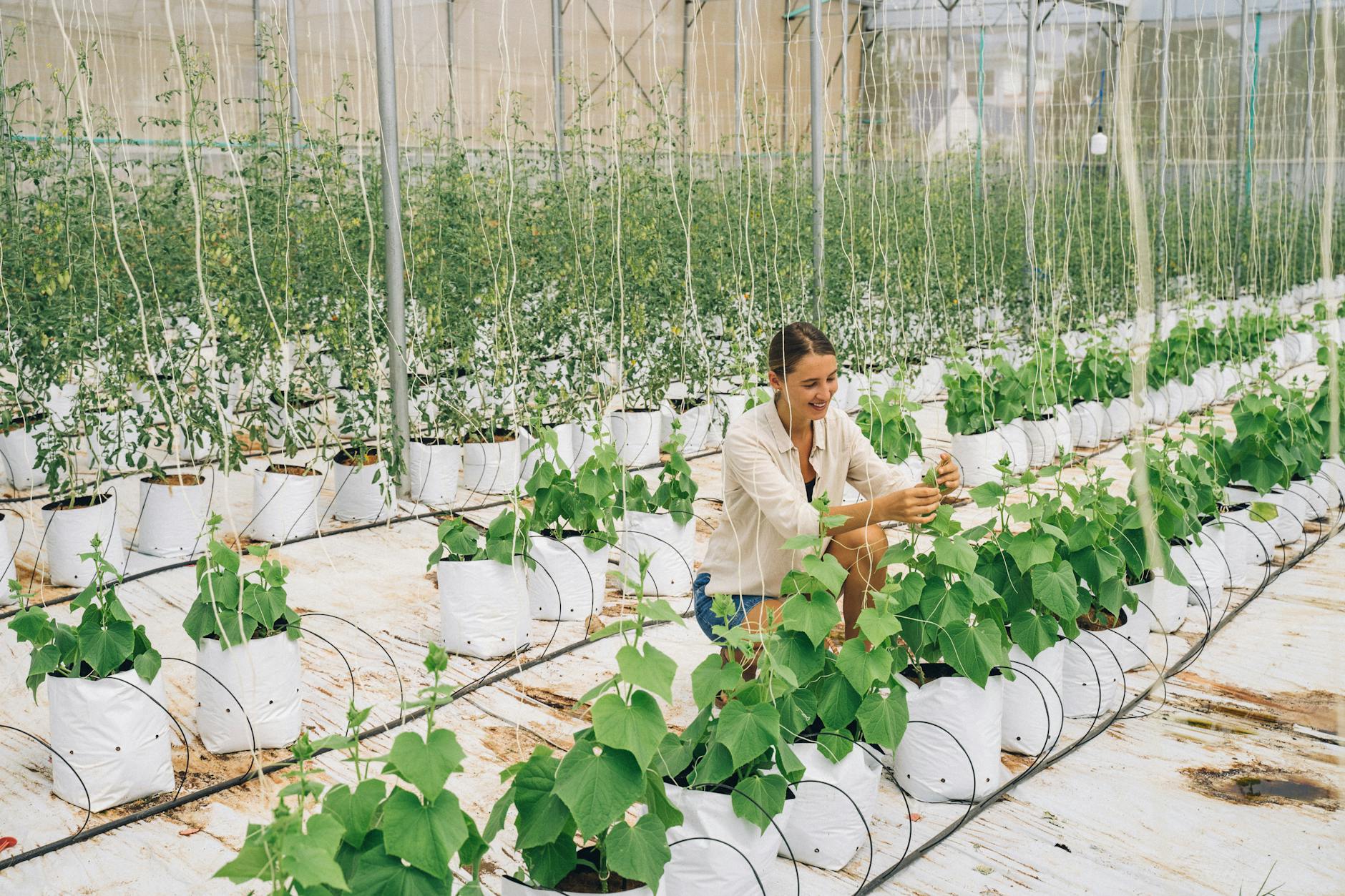
Recent advances have moved hydroponics from niche to mainstream. The integration of IoT sensors, AI-driven monitoring systems, and machine learning algorithms now allows farmers to track and adjust nutrient levels and environmental conditions in real time. Systems like vertical farms powered by renewable energy or automated LED light panels calibrated for specific crops are transforming productivity and reducing human error [2].
For instance, companies in Singapore, the UAE, and the Netherlands are now operating large-scale hydroponic vertical farms capable of producing tonnes of leafy greens and herbs year-round — all within climate-controlled facilities that are largely independent of weather conditions.
Urban Agriculture and Food Security
As urban populations surge, hydroponics is enabling city farming in rooftops, shipping containers, and abandoned warehouses. These compact systems reduce transportation costs, cut carbon footprints, and ensure that fresh produce reaches consumers within hours of harvest. Hydroponic models are also being piloted in schools and community centres as part of urban sustainability education programs.
In countries facing water scarcity, such as India and Saudi Arabia, hydroponic systems are now coupled with solar-powered desalination units, providing a blueprint for farming in resource-limited regions [3].
Sustainability Through Technology
Beyond water conservation, hydroponics drastically minimizes pesticide use, prevents soil erosion, and allows nutrient recycling through closed-loop systems. Emerging innovations such as biodegradable growth media, AI-assisted pest detection, and blockchain traceability for produce origin are enhancing both environmental and consumer trust aspects of the system.
Looking Ahead
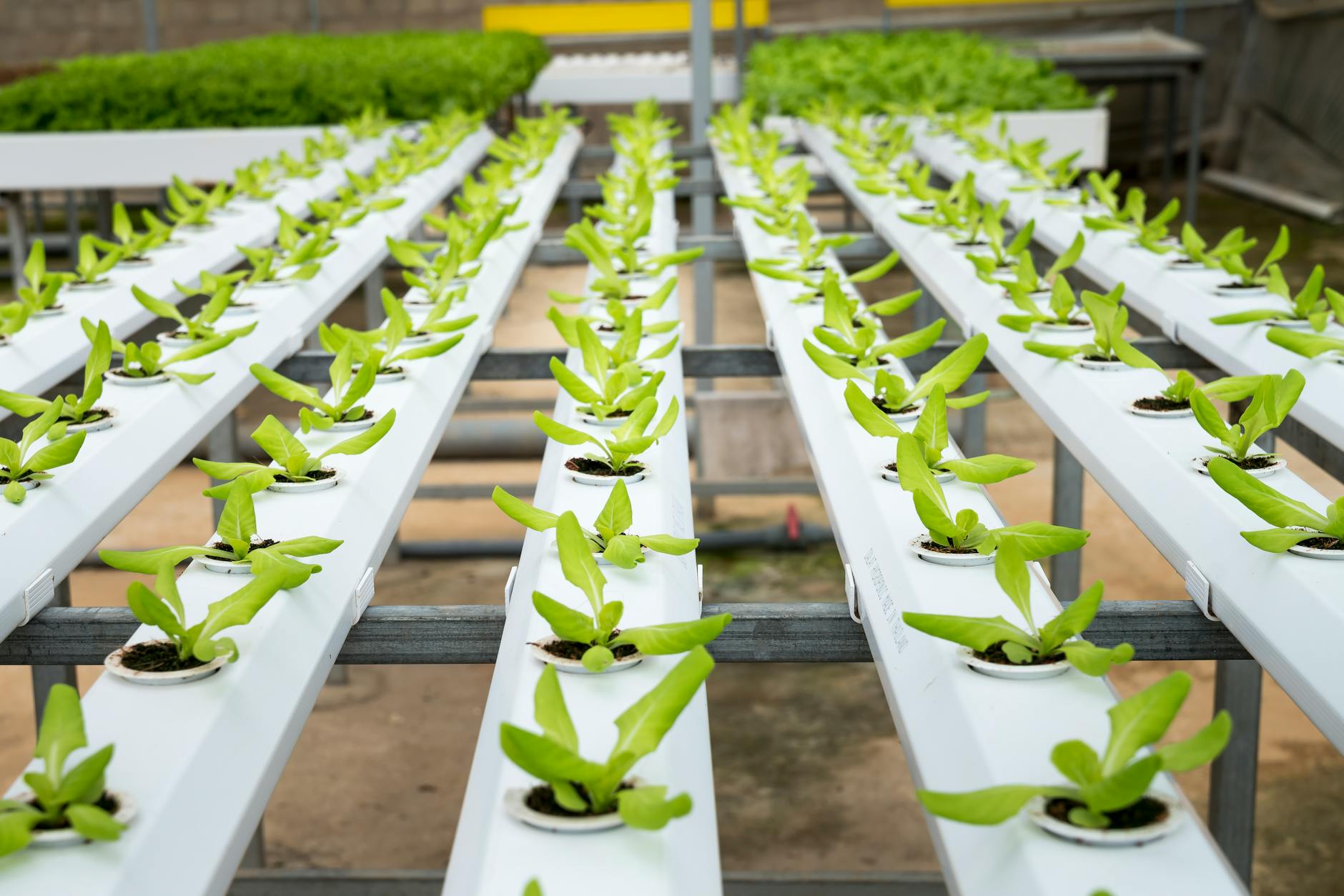
The future of hydroponic agriculture lies in scalability and accessibility. Research is now focused on integrating microbial biofertilizers to mimic soil microbiome benefits and improve nutrient uptake naturally. As costs of LED lighting and sensors continue to drop, hydroponic setups are becoming viable even for smallholder farmers and startups.
Hydroponics is not just an alternative to traditional farming – it is a vital component of a resilient global food system. By merging biology, data, and design, this technology is helping humanity grow more with less, paving the way for food security in an increasingly unpredictable world.
References
- Rajaseger G, Chan KL, Tan KY, Ramasamy S, Khin MC, Amaladoss A, Haribhai PK. Hydroponics: current trends in sustainable crop production. Bioinformation. 2023 Sep 30;19(9):925–938. doi:10.6026/97320630019925. PMID: 37928497; PMCID: PMC10625363.
- Kabir MSN, Reza MN, Chowdhury M, Ali M, Samsuzzaman, Ali MR, Lee KY, Chung SO. Technological trends and engineering issues on vertical farms: a review. Horticulturae. 2023;9(11):1229. doi:10.3390/horticulturae9111229.
- Abdelhamid MA, Mahmoud SM, El-Nasr MKA, et al. Sustainable hydroponic production using solar energy and treated greywater within the water-energy-food-environment nexus. Sci Rep. 2025;15:31200. doi:10.1038/s41598-025-16030-4.