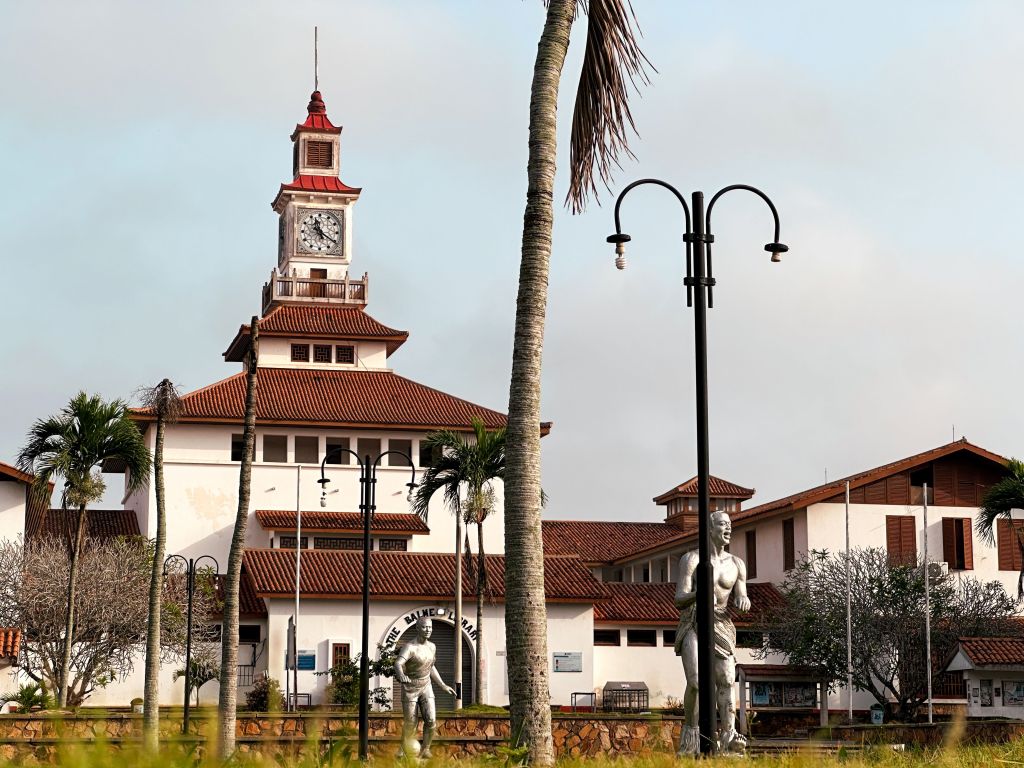
When I applied for my first degree, I had two offers. The University of Ghana offered me Psychology, Geography, and History. KNUST offered me Economics. I quickly googled the career prospects for Psychology.
The first sentence my search returned read: “Employment opportunities in psychology are very limited.” That single sentence decided my university and my programme of study.
But here is the irony. After university, I watched colleagues who studied Psychology, Akan, and Religious Studies (the so-called “useless programmes”) working in banks, while some of my classmates with First Class degrees in Economics and Business Administration struggled to find jobs.
That experience taught me two things that I have argued ever since:
1. No degree creates a job on its own or guarantees employment – not even Medicine.
2. A degree is a tool. Whether one knows how to use that tool is a different question altogether.
I’ve also come to believe that when we argue certain programmes are valuable in other countries but “useless” in ours, we are often diagnosing the wrong problem.
It doesn’t necessarily mean the degree lacks value. It simply means we have not built an economy sophisticated enough to harness the full range of knowledge and skills our universities produce.
Which brings me to Dr. Adutwum’s comments.
I think his argument is flawed – not because employability doesn’t matter, but because it reduces the value of higher education to employability alone.
That is a perfectly reasonable conversation when advising an individual student who is deciding between two programmes.
But national education policy is a different conversation.
Universities do not exist only to produce employees. They produce innovators, critical thinkers, policy experts, entrepreneurs, public servants, and citizens capable of solving problems we haven’t even identified yet.
Ironically, the examples he cited – Development Studies and Education (non-teaching) – illustrate exactly why that reasoning falls short.
Their value extends well beyond a single job title or profession. They contribute to policy design, institutional development, social transformation, educational leadership, and countless interdisciplinary careers.
Perhaps the real question is not whether these degrees are relevant. The more uncomfortable question is whether our economy has evolved enough to recognise and utilise the expertise they produce.
Once we reduce every degree to the question, “Will it get someone a job immediately?” we begin designing universities for today’s vacancies rather than tomorrow’s economy.
Source: George Asiamah, Facebook