Authors: Aarti Krishnan, University of Manchester, Ahmad Aldrie Amir, Universiti Kebangsaan Malaysia (National University of Malaysia), Behara Satyanarayana, Universiti Malaysia Terengganu |
On Pakistan’s Indus delta coast, a 350,000-hectare mangrove project is turning a growing forest into something that can be sold to companies thousands of miles away: carbon credits.
Carbon credits allow companies to pay for projects that store carbon or prevent further emissions, with each credit equalling a certain amount of carbon. Restoring mangroves can generate credits as a healthy, growing forest absorbs and stores carbon. It’s part of a thriving billion dollar industry.
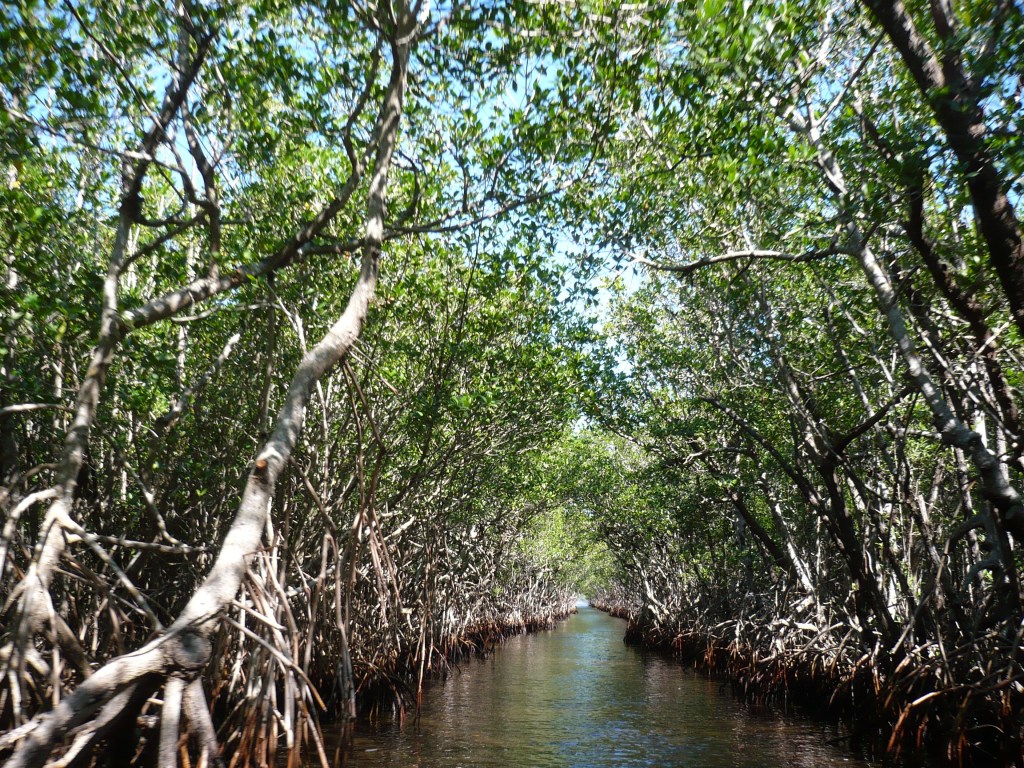
But that forest was already worth something to the thousands of people living there. It protects 60 villages from storms, provides nursery habitat for fish and is a source of wood, honey and thatch.
The difference points to a bigger problem. A mangrove has at least two kinds of value: the value that can be packaged and sold to a (wealthy) distant buyer, and the value that is experienced locally but is much harder to monetise. Only the first has a market built around it.
This gap will be under the spotlight at the upcoming UN climate summit Cop31 in Antalya, Turkey, this November. At last year’s Cop30, governments called for the money provided by wealthy countries to help communities cope with the consequences of climate change to at least triple by 2035. For those living in mangrove forests, this so-called adaptation finance could help them survive stronger cyclones and rising seas.
But a decade of climate finance has built pipes that tend to run in one direction, towards whatever can be measured, traded and exported. Pour adaptation money into that plumbing and it comes out where the pipes already exist.
Restoration has become a new kind of market, and like any market it creates jobs, contracts, training and monitoring. But it also distributes what it generates along a chain of intermediaries: verifiers, brokers, aggregators, certifiers, each taking a share before anything reaches a village.
How large a share is unknowable: only a tenth of intermediaries disclose what profits they make. And the agreements meant to pass value back are scarce: of 47 carbon credit project documents the not-for-profit Carbon Market Watch reviewed, only 15 mentioned benefit sharing, and just four showed evidence of sharing benefits with local or Indigenous communities.