Author(s): Olasunkanmi Habeeb Okunola, United Nations University, Susan S. Ekoh, German Institute of Development and Sustainability (IDOS) | Source: The Conversation
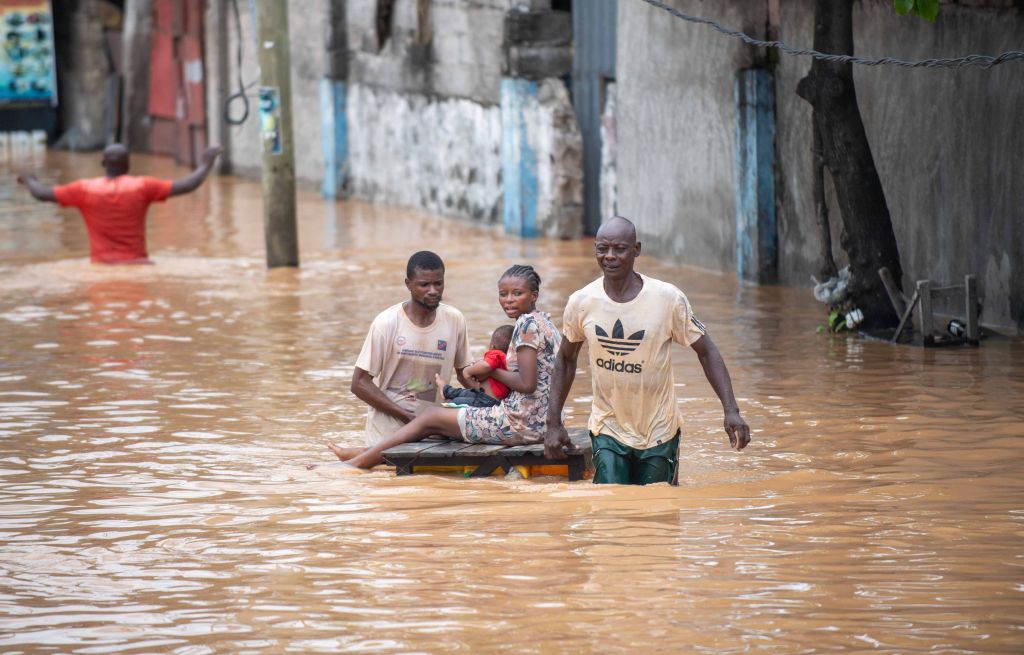
When a flood destroys a road, government officials can estimate the cost of rebuilding it. When drought ruins a harvest, lost income can be calculated. But how should a country record or measure the loss of a sacred place? Or the emotional strain that people experience when they are displaced from their homes by a climate-related disaster, the breakdown of community bonds, or a child’s lost sense of safety?
Across Africa, floods, droughts, coastal erosion and extreme heat are affecting livelihoods and public services. Stronger infrastructure, early-warning systems and resilient farming can reduce some impacts. But not all damage can be prevented or fixed afterwards. In climate policy, these unavoidable or irreversible impacts are described as “loss and damage”.
As African countries prepare for the annual climate change conference, this year COP31 in Türkiye, a key issue for the continent is how international commitments to pay into the fund for responding to loss and damage can be translated into practical support for countries most affected by climate change.
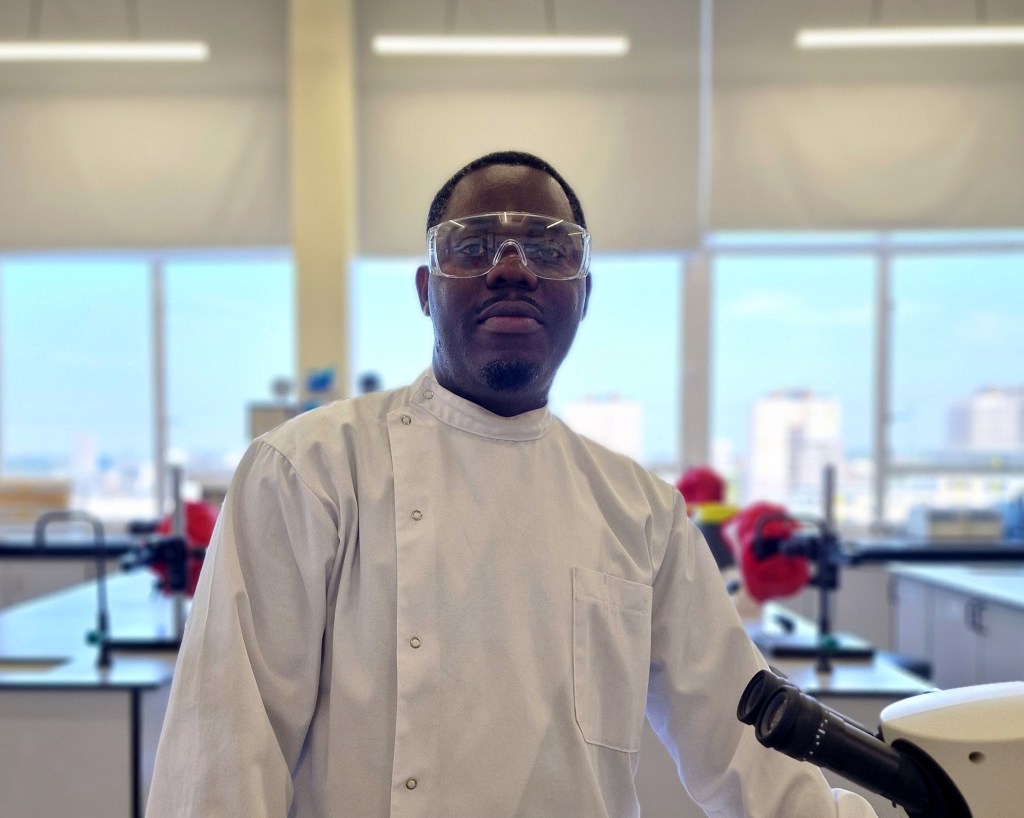
We are climate governance researchers who recently investigated ten years’ worth of climate policies, adaptation plans, laws and disaster-management frameworks from Burkina Faso, Ghana, Nigeria, Senegal and Sierra Leone.
We wanted to find out how these policies recognise what communities lose, and the damages they suffer, and whether they set out clear responsibilities and arrangements for providing support.
Our research found that West African climate plans recognise the cost damage to infrastructure and livelihoods. But there are gaps.
Firstly, the five countries address climate-related losses and damages differently. This makes it unclear which agencies should assess the impact of climate disasters and coordinate support.
Secondly, they also often overlook losses to culture, mental health and community ties. Rebuilding bridges, schools and houses is essential, but communities cannot fully recover if they are left disconnected from their livelihoods, communities, wellbeing and heritage.
Recognising these less visible losses will not make recovery easy. It can, however, support better-informed decisions and the kind of assistance communities value. That is a step from repairing damaged places towards restoring lives with dignity.
We conclude from our findings that governments need to clarify who will assess losses, coordinate assistance and secure the financing to repair damage. This would give affected people a clearer route to timely and appropriate support.