Source: The Conversation. By Janet Appiah Osei, University of Ghana
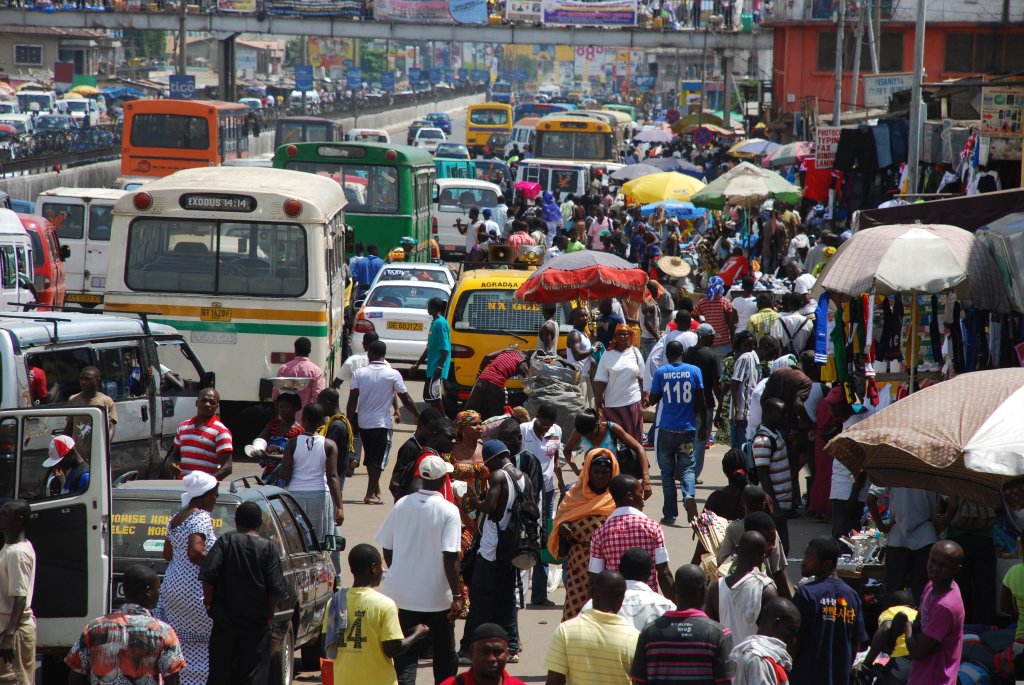
Every morning in Accra, Ghana’s capital, thousands of commuters sit in traffic while minibuses and taxis compete for limited road space.
More than 70% of Ghanaians rely on informal public transport, predominantly minibuses (trotros) and taxis, for their daily mobility. About 84% of passenger trips in Accra are made using these modes (a 2017 estimate). Precise counts of vehicles are not available due to the informal nature of the sector, but thousands of taxis and trotros are active on Accra’s roads each day.
Despite the constant movement, the traffic’s progress is slow. Ghana’s cities are moving, but not efficiently.
Taxi and minibus services are essential. They provide flexible, relatively affordable mobility and reach areas that formal systems do not. For millions of people, they are the backbone of daily travel.
Yet surprisingly little is known about their diversity and characteristics.
I research how urban transport systems can be made more efficient and climate-friendly, particularly in rapidly growing cities where there are mobility challenges.
In my recent study of commercial vehicle models in Ghana’s urban transport system, I identified 52 different types of taxis and trotros currently in operation. This diversity reflects a system shaped more by market demand than by coordinated, large-scale planning.
My findings show a highly diverse fleet structure, with differences in vehicle capacity and service patterns across the fleet. There’s a strong reliance on conventional fuels and older vehicles. These patterns suggest a fleet that has developed gradually over time, rather than through deliberate and structured modernisation. The result is traffic congestion, higher fuel consumption and increased emissions.
I argue that a more structured approach to urban transport could allow cities to move more people with fewer vehicles, reduce overlapping low-occupancy trips, and improve fleet regulation and planning. Read More