Author: Mary Asirifi, Assistant Professor, Department of Nursing Foundations, MacEwan University. Source: The Conversation
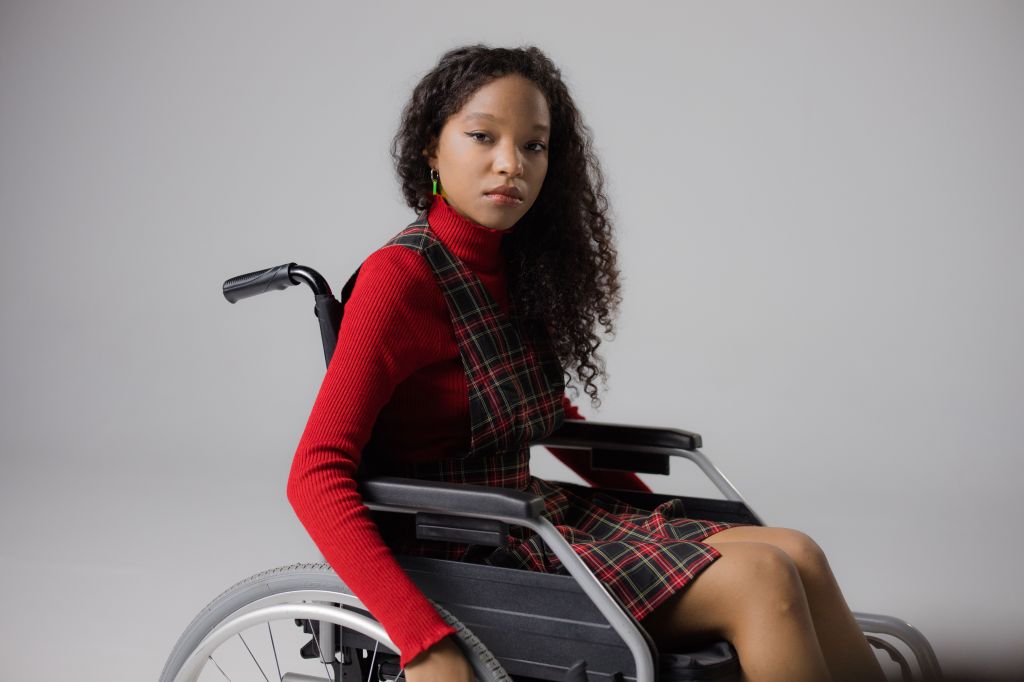
About 8% of Ghana’s population is disabled. A high percentage are adolescents, which could be linked to the country’s dominant population of young people (15 to 35 years).
The perspectives of adolescents with disabilities in Ghana are often overlooked, as most of the time, society views the cause of the disability as related to parental sins against the gods, being a descendant of river gods, and bewitchment or curses by family members. Consequently, the adolescents experience pejorative labelling, ableism and social exclusion, resulting in depression, low self-esteem, a lack of confidence and suicidal thoughts.
I was part of an interdisciplinary research team with diverse expertise on stigma, nursing, public health and social work. We engaged adolescents in Ghana with disabilities in a recent study that focused on their lived experiences. This research involved working with 54 adolescents aged 10-19 years with hearing, visual and physical disabilities. We explored their lived experiences using photos that participants captured. Participants used a range of visual images to represent their challenges.
We also found that adolescents with disabilities often face hostile experiences that contribute to negative self-perceptions. These include feelings of hopelessness about their future. This calls for urgent attention to addressing the needs of this vulnerable population.
Finding the challenges
We provided participants with a range of visual images to represent their challenges. These included images symbolising darkness, a stick lying on the floor, a coconut tree, heaps of sand, and stacks of wood logs. These images from the participants were used in the study as they captured the perspectives and the meaning of their experiences with disability.
Of the 54 adolescents we interviewed, 22 were hearing impaired, 23 were visually impaired and 9 struggled with physical disability. Of these, 34 were females and 20 were males. The majority of the participants had been born with their disabilities. Only four participants with visual impairments had been disabled later in life. The visually impaired participants informed the researchers to take pictures of images that the participants preferred to depict their experience of disability. The researchers informed the participants of the content and the features of the images captured in the photos.
We then used photo voice data analysis. This is a process where participants’ stories related to the photos were interpreted into meaningful clusters of ideas known as themes. Three overarching themes emerged from the data:
- adversity
- resilience
- social support.