
Source: Science Alert, by Michelle Starr
Humans are not yet done cooking. We’re continuing to evolve and adjust to the world around us, the records of our adaptations written in our bodies.
We know that some environments can make us unwell. Mountain climbers often experience altitude sickness – the body’s reaction to a significant drop in atmospheric pressure, which means less oxygen is taken in with each breath.
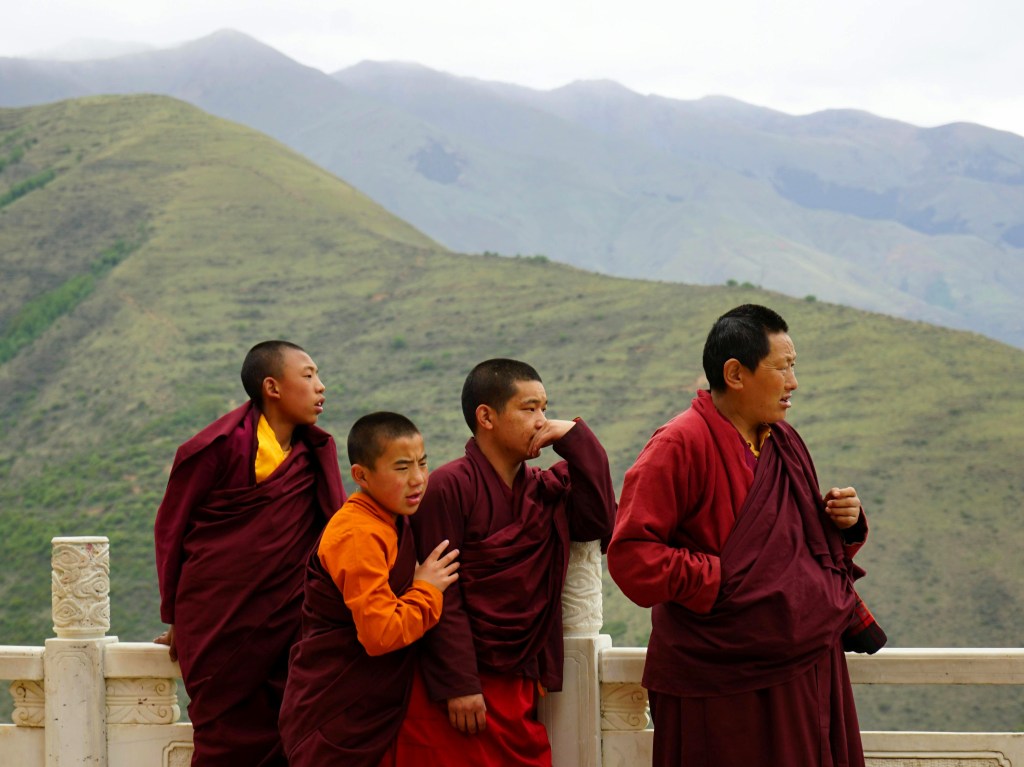
And yet, at high altitudes on the Tibetan Plateau, where oxygen levels in the air people breathe are notably low, human communities thrive.
Over more than 10,000 years of settlement in the region, the bodies of those living there have changed in ways that allow the inhabitants to make the most of an atmosphere that for most humans would result in not enough oxygen being delivered via blood cells to the body’s tissues, a condition known as hypoxia.
“Adaptation to high-altitude hypoxia is fascinating because the stress is severe, experienced equally by everyone at a given altitude, and quantifiable,” anthropologist Cynthia Beall of Case Western Reserve University in the US told ScienceAlert.
“It is a beautiful example of how and why our species has so much biological variation.”
Beall has been studying the human response to hypoxic living conditions for years. In research published in October 2024, she and her team revealed some of the specific adaptations in Tibetan communities: traits that improve the blood’s ability to deliver oxygen.
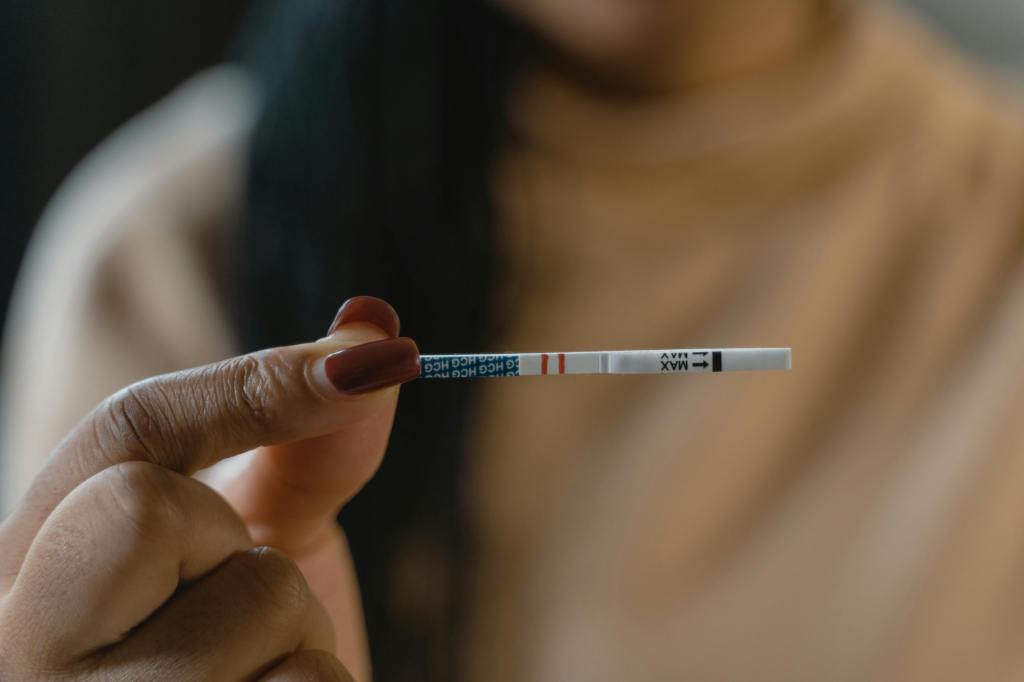
To unlock this discovery, the researchers looked into one of the markers of what we call evolutionary fitness: reproductive success. Women who deliver live babies are those who pass on their traits to the next generation.
The traits that maximize an individual’s success in a given environment are most likely to be found in women who are able to survive the stresses of pregnancy and childbirth. Read More
 Scientect