
Webnovel Series by A Amankwaa
©2026 A Amankwaa. All rights reserved.
The forensic report from Caseline Forensics, Dr Nhyira’s private lab, sat on Inspector Ansah’s desk like a death warrant for the investigation. Nana Ako’s DNA sample had been analysed using their new RapidDNA technology. The results from the DNA comparisons were colder than the harmattan morning: the DNA of Nana Ako was inconclusive, sharing less than five percent of its markers with the deceased victims. Ansah dropped the paper, the clinical white of the sheet a mocking contrast to the red clay still caked on his boots. “Five percent,” he muttered, the words tasting like ash. “After all that, we are back to ghosts.”
But the second page of the report, the part Dr. Nhyira had highlighted in red, was the true killing blow. While her private lab had produced the profile in record time, the quality of the scene material was the problem. A formal memo from Adusei at the regional lab confirmed the scientist’s worst fears: the crime scene examiner had botched the initial collection at the stream. Cross-contamination was evident across the primary exhibits. The DNA profiles and trace evidence recovered from the shovel and the discarded gloves and hat were now legally and scientifically compromised.
As if the forensic collapse wasn’t enough, the field report from the Bodi detachment arrived an hour later. The visit to Kwabena’s residence had confirmed the worst of Nana Ako’s fears: the house was a shell. The harmattan dust had settled over the few pieces of furniture left behind, and the small back garden was choked with weeds. The neighbours’ testimonies offered no comfort. They told the police they hadn’t seen the family in months; they simply assumed Kwabena had moved them out of town for mining work elsewhere. It was a common story in the region, families vanishing overnight to follow the gold, but in the context of the Big Tree, the “move” felt more like an abduction.
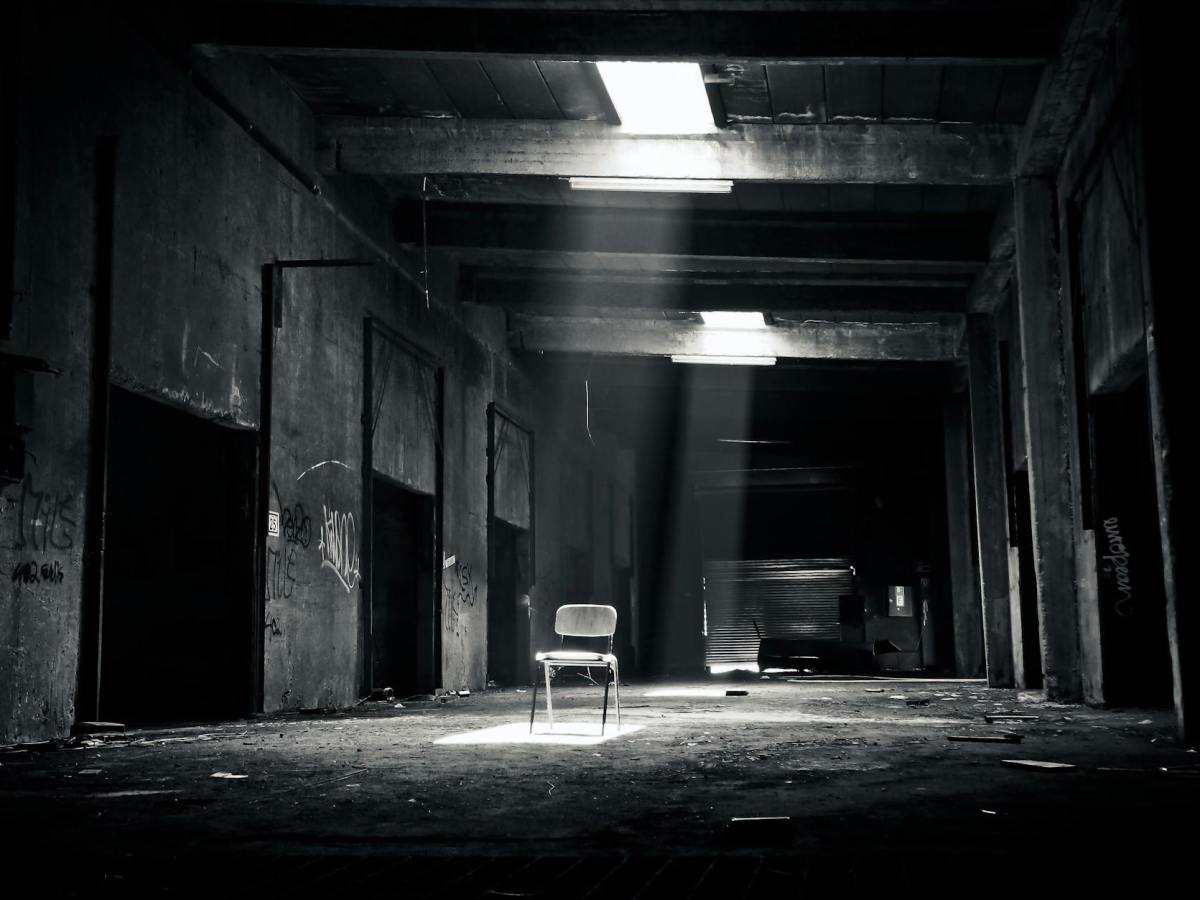
Ansah looked at the empty chair where he had expected to sit Nana Ako down and tell her she could finally take her son home. Instead, he had a scientific dead end, a botched incident scene, and a ghost house in Bodi. The trail was growing cold, and the “Overseer” was still a shadow in the trees.
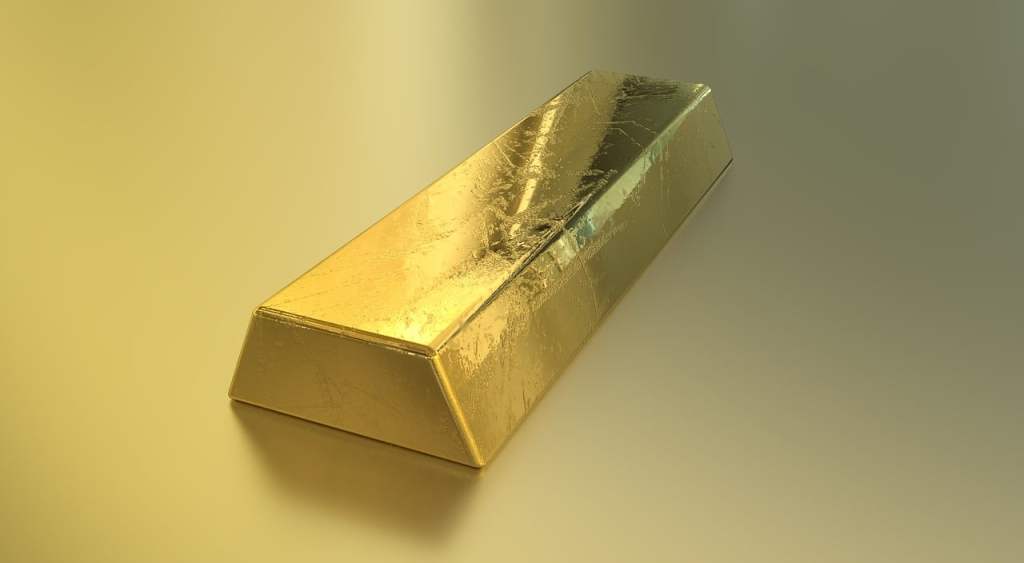
Dr. Nhyira stood in the sanitized silence of Caseline Forensics, the hum of the RapidDNA processor sounding less like technology and more like a rhythmic, mocking heartbeat. To the world, she was a statue of professional detachment, the “Otumfuo of the forensic world”, a title bestowed by the press for her absolute, unshakeable authority. But inside her fortress of science, the silence was screaming. She stared through the glass at the evidence recovered from the search warrant at Abudu’s home. It wasn’t the usual clutter of a miner’s shack. On her bench sat a heavy, mobile safe box and several small, unrefined gold bars. For a man who claimed to be a struggling labourer, the sheer quantity of gold was more than suspicious, it was an indictment.
Five percent. The number from the DNA mismatch with Nana Ako looped in her mind, a jagged hook. If the bodies weren’t Nana Ako’s kin, then whose blood had paid for this gold? Nhyira pulled off her nitrile gloves with a sharp snap that echoed like a gunshot against the tiled walls. She walked to the sink and scrubbed her hands, the water overflowing as her thoughts drifted to what came next.
She thought of the anthropology report, the juvenile skeletons. One was only eight years old. Nhyira’s breath hitched as she looked at a framed photograph on the corner of her desk, turned away from the door so no one else could see it. It was a photo of her own daughter, taken just weeks before the armed robbery that had shattered Nhyira’s world.
The loss of her child hadn’t just changed her; it had forged her. It was the reason she had poured her private wealth into the Nyamekye Hope Orphanage, and the reason she had dedicated her life to the absolute precision of forensic science. For Nhyira, a missing child wasn’t a case file. It was a personal failure of the universe that she was determined to correct. Every child at her orphanage was a testament to her hope, but every missing child case on her table was a reminder of her grief.
She didn’t believe in Ansah’s “gut feelings,” but she believed in the objectivity of science. And right now, her lab felt powerless. Caseline Forensics was her fortress, a place she had built to filter out the chaos of a broken system, but the rot was leaking through the vents. “I am not a magician, Kwame,” she whispered to the empty room, using Ansah’s first name in the dark where no one could hear the tremour in her voice. “I can’t weave a life back together if your men keep tearing the threads.”
She turned back to the gold bars, her posture stiffening back into the rigid line the “Otumfuo” was expected to maintain. She didn’t reach for a microscope slide this time. Instead, she picked up a sterile swab, her movements returning to a clinical, razor-sharp rhythm. She began to swab the handle of the safe box and the textured surfaces of the gold bars. She wasn’t looking for soil anymore; she was looking for “Touch DNA” the microscopic skin cells left behind by the last person to count this wealth. If Abudu was just the muscle, these swabs could open up new lines of inquiry.
She wasn’t just a scientist anymore; she was a mother hunting for the truth that had been denied to her once before. If the system was going to fail these children, she would be the one to break the system. One swab at a time, she would find the hand that had traded young lives for sika kɔkɔɔ.
The humidity of the night clung to the bedroom, even with the windows thrown open to the moonlit night. Inspector Ansah sat on the edge of the bed with his head in his hands, the weight of the day’s failures pressing into his spine. “Honey, what is troubling you?” His wife asked, sitting up and placing a gentle hand on his shoulder. Her voice was the only soft thing in his world right now.
Ansah let out a long, ragged breath. “Something doesn’t sit right with me. Brako… every time he leads an investigation related to galamsey or drugs, something goes wrong with the evidence recovery. There is always some contamination, some convenient mix-up.” His wife frowned, her eyes reflecting the dim light of the bedside lamp. “Hmmm…. how was there a contamination at the scene? The CSIs are professionals and well-trained. They are supposed to be the best we have. Wasn’t Aboagye trained in the UK?”
“That’s exactly the problem,” Ansah muttered, turning to look at her. “They are too good to be this bad. Remember the seized cocaine from the Manso raid last year? By the time it reached the forensic lab, it had turned into kokonte powder. The lab took the heat, but Brako was the one who signed off on the transport.”
He stood up and began to pace the small room, the floorboards creaking under his weight. “And now, this. The stream exhibits… all contaminated. Adusei is furious, and Nhyira is looking at me like I’m the one who sabotaged the case. If the scene work is compromised, Abudu walks. And if Abudu walks, the so-called ‘Overseer’ stays in the shadows.” “You think he’s being paid?” she whispered, the word corruption hanging heavy between them.
“I think he’s making sure the investigation doesn’t just close, he’s making sure it’s muddled up,” Ansah replied. “If the science fails, the case dies. It’s the perfect crime because you can always blame ‘human error’ or ‘poor training.’ But three times in two years? That’s not a mistake. That’s a payroll.” He looked out into the night, toward the distant silhouette of the Oda Presby Church. The ghosts of the big tree were on his mind, but now he realised some of the monsters weren’t in the woods, they were wearing the same uniform he was.
The next morning, the meeting in the small, stifling office at the station was brief. Inspector Ansah sat across from Nana Ako, his hands clasped so tightly his knuckles were white. He delivered the news with a heavy heart, explaining that the remains from the Big Tree were likely not her kin. He promised her that the police would do everything possible to locate her son and his family, but the words felt hollow even as they left his mouth.
In Nana Ako’s head, the words translated to a life sentence of waiting. She knew the routine of the police in this region. When they promised to do everything possible, it usually meant years of files gathering dust and leads turning into cold memories. The hope that had sustained her through the long trek from Nkunim evaporated, leaving nothing but a crushing, physical grief. The news broke her. She didn’t scream or wail; she simply slumped forward in the chair, her breath coming in shallow, violent gasps until her eyes rolled back.
The station was thrown into a panic. Ansah shouted for a vehicle as they rushed her to the Oda Government Hospital. By the time she was stabilised in a crowded ward, her blood pressure was a dangerous red line on the monitor. Following the emergency contact details provided in her earlier statement, a nurse at the hospital placed a long-distance call to the United States.
In a quiet suburb in Maryland, the phone rang in the middle of the night. Nana Ako’s daughter, Akyere, answered with a heart full of dread. The news of her mother’s collapse and the grim discovery back home shattered the quiet of her American life. As Akyere gripped the receiver, the distance between the two worlds felt impossibly vast. The investigation into the Big Tree had finally reached across the ocean, and for Akyere, the time for waiting was over. She would have to return to the red dust of Bodi to fight the battle her mother no longer could.
Something went wrong. Please refresh the page and/or try again.

 Scientect
Leave a comment