
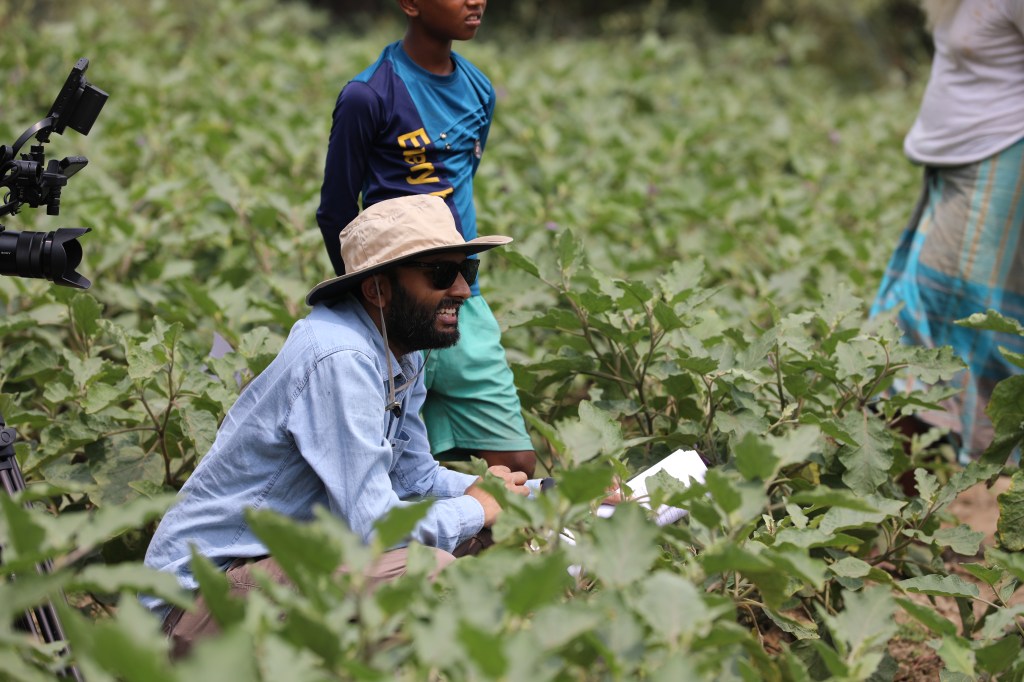
Author: Sadique Uddin
Affiliation: Outreach Specialist, Michigan State University
Date: 26 November 2025
Not long ago, I found myself going through the report of the South Asia Regional Forum on Climate Action and Food Systems Transformation, which I helped organize last year in Dhaka with the support of Michigan State University and Farming Future Bangladesh. What I read felt less like an event recap and more like a warning—and a map. As climate change tightens its grip on South Asia’s food systems, the conversations and insights from that forum now feel more urgent than ever.
We heard from over 60 experts, researchers, and policymakers from Bangladesh, India, Nepal, Pakistan, Sri Lanka, Myanmar, and the U.S. They came not just to present findings, but to ask: What is it going to take to feed two billion people in a climate-stressed region?
Again and again, one answer stood out: collaboration. Not just token partnerships or one-off joint projects, but deep, sustained collaboration across sectors, disciplines, and countries. And that’s exactly what South Asia needs now.

Climate change doesn’t respect boundaries, not between countries, not between government ministries, and certainly not between academic disciplines. When erratic monsoons destroy crops, the consequences ripple outward: farmers lose income, children miss meals, malnutrition rises, healthcare systems strain, and migration pressures mount. The crisis is agricultural, economic, nutritional, and social all at once. Yet too often, our responses remain siloed. Agriculture ministries work in isolation from health departments. Climate scientists rarely sit at the same table as community leaders. Universities conduct research that never reaches the farmers who need it most.
The forum made clear that this fragmentation is a luxury we can no longer afford. South Asia is home to some of the world’s most climate-vulnerable populations, with hundreds of millions depending directly on agriculture for survival. Rising temperatures, shifting rainfall patterns, and increasingly severe droughts and floods are already testing the limits of traditional farming practices. Without coordinated action that draws on expertise from climate science, agronomy, economics, public health, and local knowledge systems, we risk watching food security collapse in real time.
What does effective collaboration actually look like? At the forum, we identified concrete pathways. Research institutions must partner with farming communities to develop drought-resistant crops that work in real conditions, not just laboratories. Governments need to break down bureaucratic walls between agriculture, water management, and disaster response agencies. Universities should train the next generation of professionals to think across disciplines—to see a rice paddy not just as a production unit, but as part of an interconnected system linking water resources, market access, nutrition outcomes, and climate resilience.
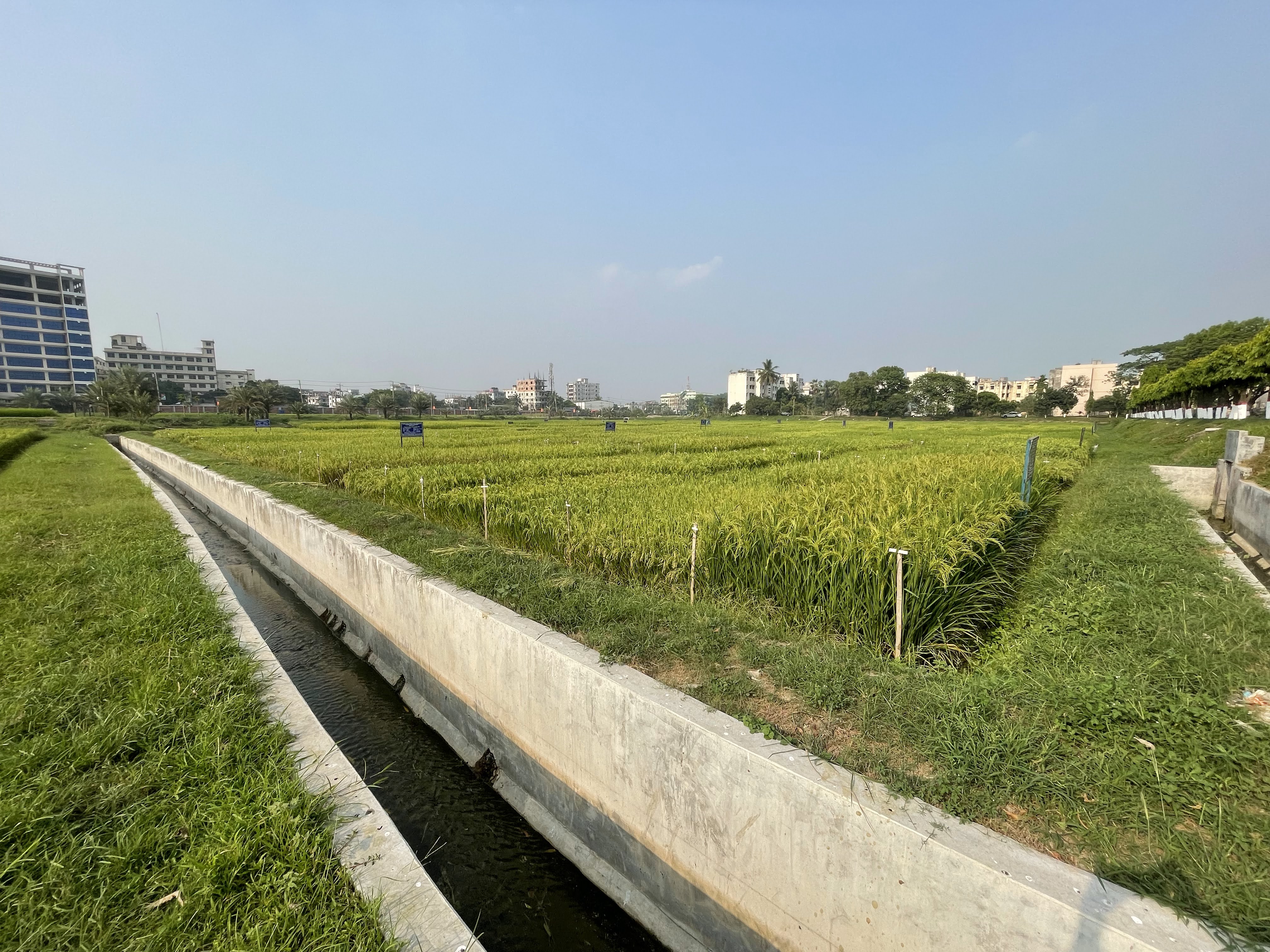
Regional platforms like the Asia Regional Resilience to a Changing Climate Programme demonstrate what’s possible when countries share knowledge and coordinate responses. These initiatives prove that South Asian nations gain more by learning from each other’s innovations than by working in isolation. A water management technique that works in Nepal’s terraced hillsides might be adapted for Bangladesh’s flood-prone deltas. An early warning system developed in Pakistan could save lives across the region.
The challenges are real: political tensions, limited institutional capacity, and competing priorities all threaten to undermine collaboration. But the forum participants were unanimous: the cost of inaction far exceeds the difficulties of coordination. Climate change operates as a threat multiplier, and our response must be a solution multiplier—bringing together every tool, every perspective, and every stakeholder we have.
As I reflect on those last year’s discussions in Dhaka, one truth becomes unavoidable: South Asia’s food security crisis won’t be solved by any single innovation, policy, or sector. It will require something harder and more fundamental—the willingness to work together across every line that divides us. The blueprint exists. Now comes the harder part: building it.
Sadique Uddin is an Outreach Specialist at Michigan State University’s College of Agriculture and Natural Resources. He coordinated to organize the South Asia Regional Forum on Climate Action and Food Systems Transformation in Dhaka in April 2024, with support from Michigan State University’s International Programs.



 Scientect