
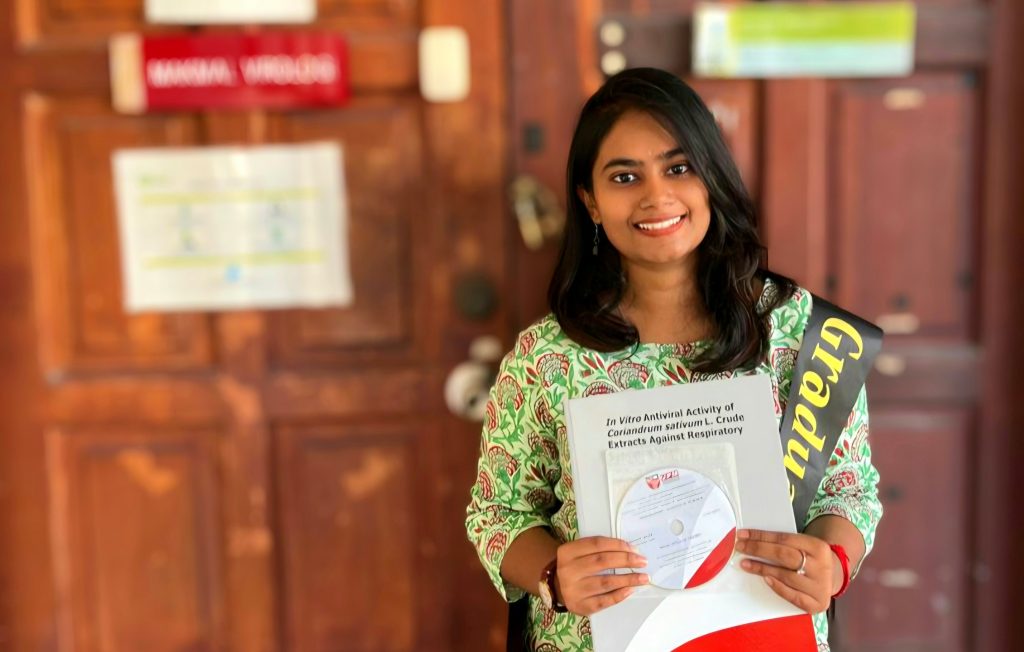
Host: Muganti Rajah (Co-Editor, Scientect Mercurry)
Guest: Darssheela Ramasamy, MSc (Biotechnology Professional)
Date: 18 November 2025
What made you choose to become a scientist and what challenges did you face in your journey?
Darssheela Ramasamy: Since childhood, I have dreamt of becoming a scientist, to discover, innovate, and contribute to meaningful change. Coming from a modest background, the dream often felt distant, but scholarships made it possible for me to pursue my passion and step into the world of research.
Embarking on postgraduate studies in Malaysia, particularly in the field of biotechnology, has been both an exciting and humbling journey. Research in biotechnology can be demanding, with long hours in the laboratory, complex data analysis, and tight deadlines being part of daily life.
Were there any specific challenges you faced in your own research?
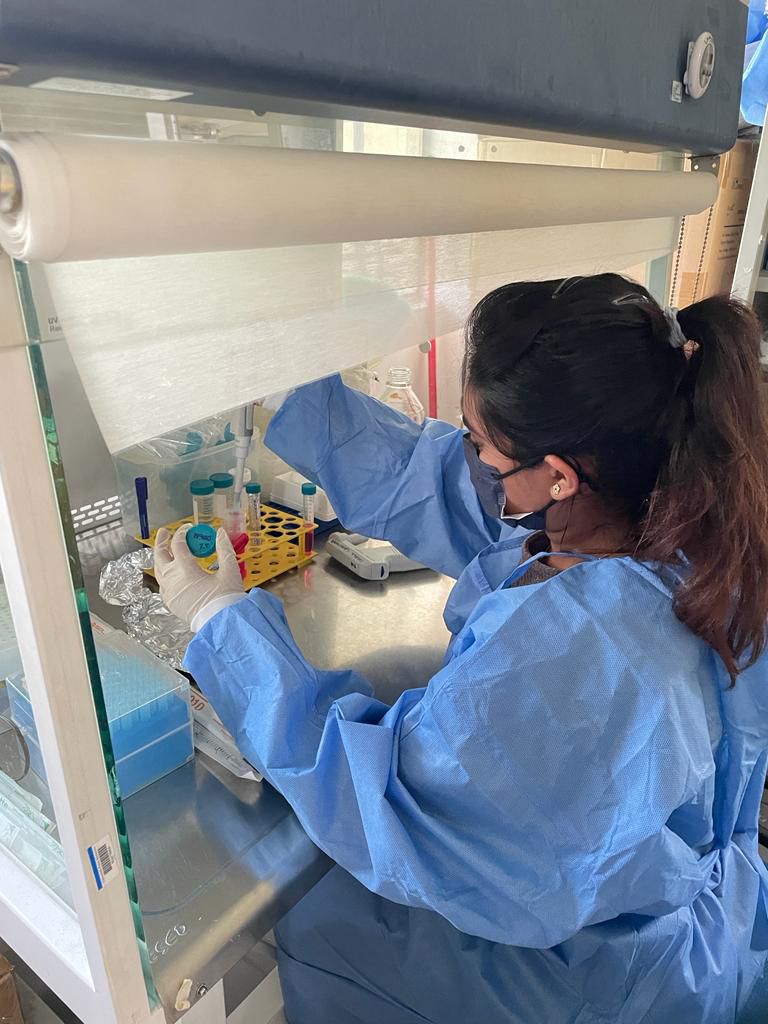
Darssheela Ramasamy: When I was assigned a project exploring natural alternatives in virology, it felt like a dream come true, a chance to make a difference through science. However, the journey quickly revealed the realities behind the lab coat.
In many research settings, postgraduate students take on multiple roles, from handling administrative tasks and managing equipment to sourcing lab materials. These experiences, while challenging, also cultivate resilience, adaptability, and leadership.
As an upper middle income country, Malaysia’s research ecosystem continues to evolve. Limited funding, outdated facilities, and logistical delays can slow down progress, testing the patience and perseverance of young researchers. Further, supervisors often juggle multiple responsibilities, and guidance can sometimes be constrained by time and resources. Yet, within these limitations lies an opportunity for students to grow independently and learn to problem-solve creatively.
What strategies did you apply in overcoming these challenges?
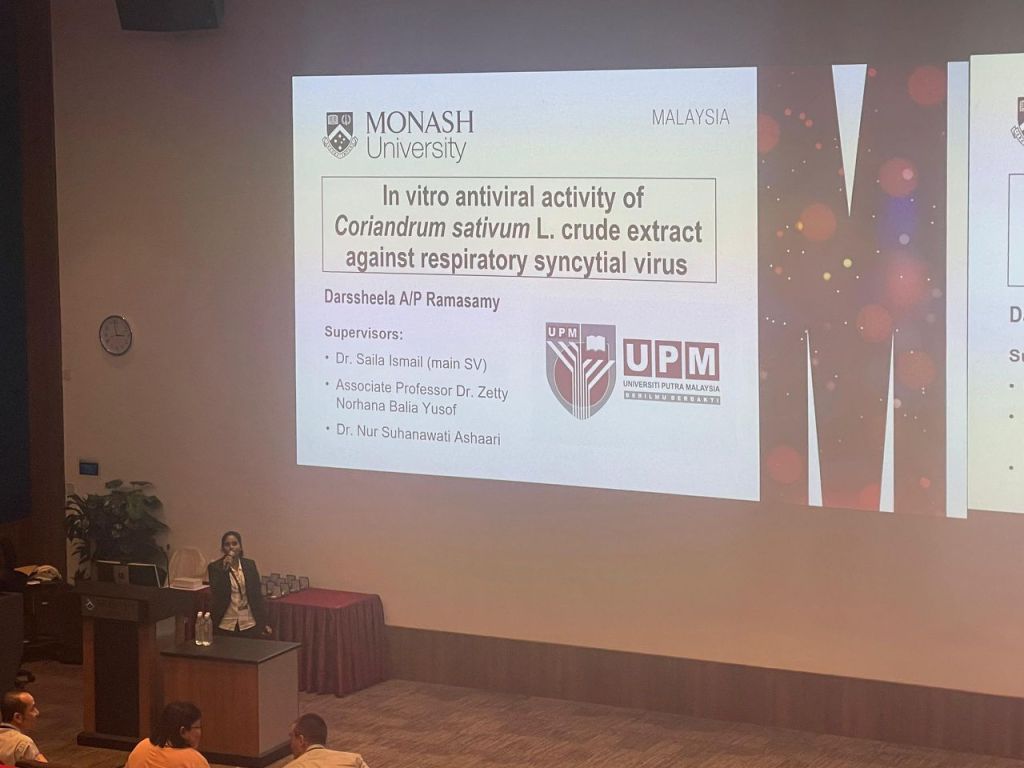
Darssheela Ramasamy: I consider myself fortunate to have had supportive supervisors who guided me through the ups and downs of my research journey. Writing my first thesis, especially after completing an undergraduate degree during the pandemic with limited lab exposure, was both daunting and rewarding. It taught me the importance of planning, precision, and consistency, lessons that go far beyond the lab bench.
To stay organised, I kept a small notebook where I listed my daily goals and experiments. Working with cell cultures reminded me that every detail matters, as a single misstep could mean repeating weeks of work. Regular meetings with my supervisors and discussions with lab mates created a supportive environment that made the process more meaningful. Indeed, a positive and collaborative lab culture is one of the greatest assets for any postgraduate student.
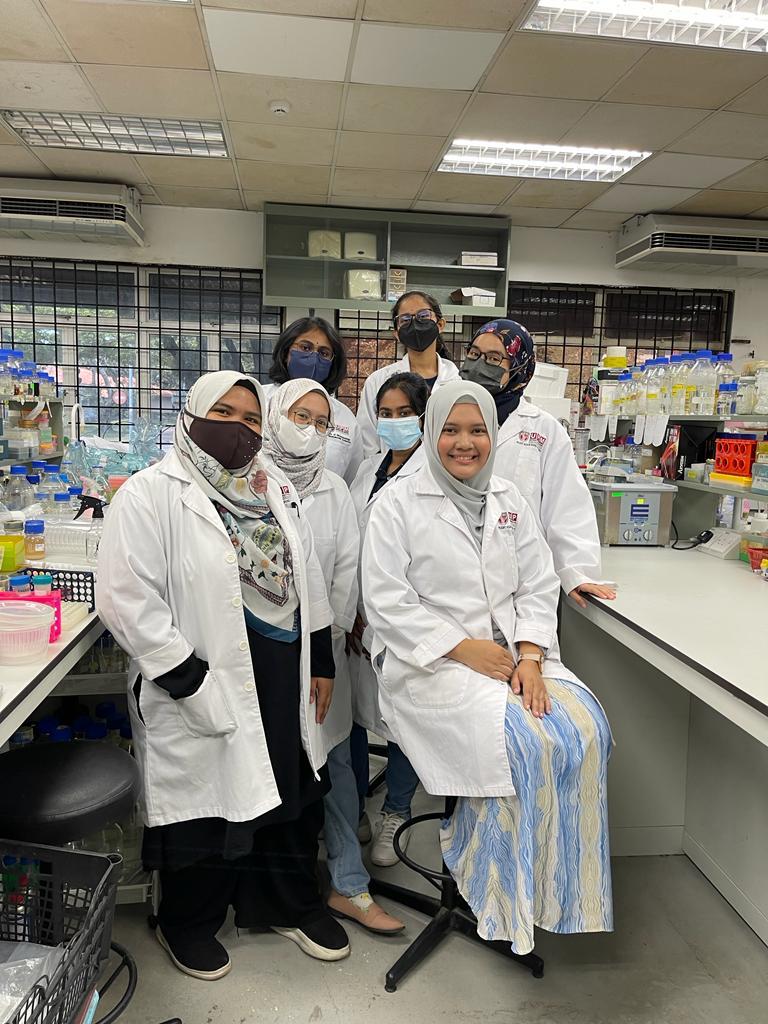
Despite the challenges, pursuing postgraduate studies in Malaysia can be a deeply enriching experience. It builds not only scientific skills but also emotional strength and endurance. Balancing research with financial constraints is a common struggle, and many of us take part-time work to support ourselves, but these experiences also instill perseverance and self-discipline.
Do you have any advice or final words for young women considering a career in science and pursuing postgraduate studies?
Darssheela Ramasamy: There is a misconception that postgraduate students choose research to avoid the real working world. On the contrary, the research environment is a world of its own, one that demands courage, critical thinking, and relentless effort. It is a journey of self-discovery as much as it is about scientific exploration.
Ultimately, I still believe that knowledge is power. The pursuit of science in Malaysia, despite its limitations, can be rewarding for those who are passionate, self-motivated, and driven by curiosity. Yet, to truly nurture world-class researchers, there is a need for systemic support, fair funding, improved infrastructure, and stronger mentorship. With these in place, Malaysia’s research landscape can continue to grow, empowering the next generation of scientists to turn their challenges into catalysts for change.




 Scientect