
Author: Darssheela Ramasamy, MSc (Biotechnology Professional)
Date: 13 October 2025
Respiratory syncytial virus (RSV) is one of the most common causes of childhood lower respiratory tract infections. This virus may not be widely known as influenza or COVID-19, but its impact is profound.
RSV causes nearly 33 million infections in children under the age of 5, leading to more than 100,000 deaths worldwide (Li et al.,2022). Infants younger than size are particularly vulnerable, and the elderly also face serious risks. Despite the burden, treatment options are limited.
While vaccines have recently been approved for older adults, children still lack effective preventive tools. Ribavirin, the only antiviral occasionally prescribed, is costly and linked to significant side effects, making it difficult for routine usage (Efstathiou et al., 2020; Chaer et al., 2023). This pressing gap in RSV management has sparked interest in researchers to explore natural alternatives and on promising candidate might already be sitting in your kitchen spice rack: coriander seeds.
From Kitchen Staple to Medical Candidate
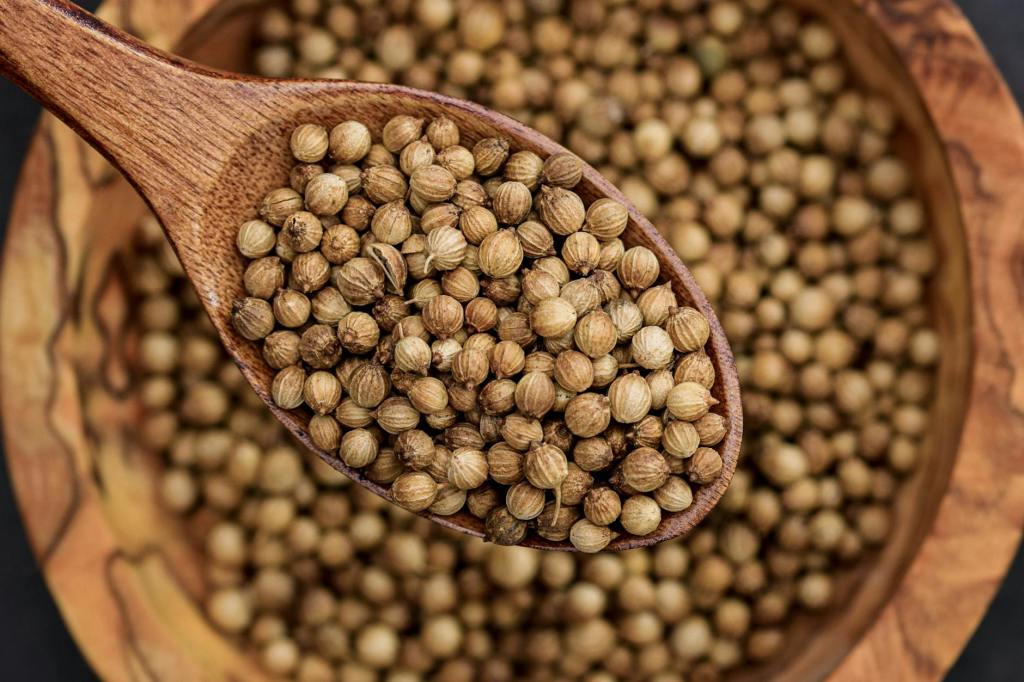
Coriander (Coriandrum sativum L.), also known as cilantro, is a culinary herb treasured across Middle east and Asia. Traditionally, its seeds have been used to relieve digestive issues, insomnia and even joint pain (Gastón et al., 2016; Larijani et al., 2016; Nair et al., 2012). Not only that it is therapeutic, coriander offers antimicrobial properties especially against Gram-positive, gram- negative bacteria, and against several candida species (Barbosa et al.,2023; Silva et al., 2011).
Also, previous studies demonstrated coriander extracts could act against viruses such as herpes simplex virus, (Romeilah et al., 2010; Fayyad et al., 2017), hepatitis A (Seo et al., 2017), Newcastle disease virus (Priya et al., 2022) and Human immunodeficiency virus (Asres et al., 2001). These viruses share similar genetic and structural properties with RSV, raising an important question: Could coriander seeds also block RSV infection?
Putting Coriander to the Test
To answer this, we investigated the antiviral properties of coriander seed extracts against RSV in human lung epithelial cells. We prepared extracts using 3 solvents which are methanol, hexane and water. The extracts were tested their ability to stop RSV from replicating inside the cells.
The results were amazing! At non-toxic concentrations, all three extracts significantly reduced RSV replication, where in some cases even outperformed ribavirin. For example, the aqueous extract cut extracellular viral levels by 98% compared to ribavirin’s lower inhibition rate. Morphologically, cells treated with coriander extracts showed no viral damage, a sharp contrast to untreated infected cells that displayed typical signs of RSV-induced stress (Ramasamy et al.,2025).
The Science Behind the Seeds
Wondering how this extract worked, we further analysed the tested extracts using gas chromatography-mass spectrometry (GC-MS), a technique that identifies chemical compounds. There were 4 key bioactive molecules present across all extracts such as palmitic acid, stearic acid, linalool and myristic acid (Ramasamy et al., 2025). Each of these has been previously linked to antiviral activity.
Linalool, for instance, is a fragrant compound also found in lavender and basil, known to weaken influenza and herpes viruses (Abou et al., 2020; Choi, 2018; Romeilah et al., 2010). Fatty acids like palmitic and stearic acid have been reported to block enzymes essential for SARS-CoV-2 and parainfluenza replication (Fendiyanto et al.,2021; Sener,2007). Meanwhile, myristic acid had shown anti-herpes activity (Parang et al., 1997). In a whole, these compounds may create a synergistic shield, disrupting RSV at multiple stages starting from cell entry to replicating its gene in host cells (Ramasamy et al.,2025).
Interestingly, each extract contained unique compounds that might contribute to the antiviral effect. The aqueous extract was rich in cis-vaccenic acid, known to target viral polymerases (Saraswathi & Elavarasi et al., 2022). The hexane extract contained capric acid, which can disrupt viral envelopes, while the methanolic extract had geranyl acetate, a compound with proven anti-influenza effect (Khairan et al., 2021; Pourghanbari et al., 2016; Rosmalena et al., 2019). This diversity suggests that coriander seeds act through multiple bioactive pathways, making it tougher for viruses to resist.
What this Means for the Future
Our findings provide the first scientific evidence that coriander seeds can exhibit anti-RSV in vitro. Since this is a preliminary study, the implications are exciting. From flavouring curries to potentially saving lives, coriander seeds show how nature’s simplest resource may hold solutions to our most urgent health challenges. A widely available, affordable spice could be developed into a safe, plant-based antiviral therapy particularly beneficial in low- and middle-income countries where RSV deaths are highest.
Future studies including isolating specific compounds, testing them in combination to see the synergistic effect and conducting animal and clinical trials should be done to confirm safety and effectiveness in living systems. Advances in formulation, like developing herbal supplements, lozenges or inhalable extracts, could bring coriander-based antivirals closer to reality. This journey of coriander from spice jar to science lab shows that sometimes, the fight against life-threatening viruses can begin with the most unexpected of allies.
References
- Yang, S., Lu, S., Wang, Y. et al. Respiratory syncytial virus subtypes in children with bronchiolitis: does it correlate with clinical severity?. BMC Infect Dis 24, 263 (2024). https://doi.org/10.1186/s12879-024-09129-y
- Silva, F., Ferreira, S., Queiroz, J. A., & Domingues, F. C. (2011). Coriander (Coriandrum sativum L.) essential oil: its antibacterial activity and mode of action evaluated by flow cytometry. Journal of medical microbiology, 60(Pt 10), 1479–1486. https://doi.org/10.1099/jmm.0.034157-0
- Li, Y., Wang, X., Blau, D. M., Caballero, M. T., Feikin, D. R., Gill, C. J., Madhi, S. A., Omer, S. B., Simões, E. A. F., Campbell, H., Pariente, A. B., Bardach, D., Bassat, Q., Casalegno, J. S., Chakhunashvili, G., Crawford, N., Danilenko, D., Do, L. A. H., Echavarria, M., Gentile, A., … RESCEU investigators (2022). Global, regional, and national disease burden estimates of acute lower respiratory infections due to respiratory syncytial virus in children younger than 5 years in 2019: a systematic analysis. Lancet (London, England), 399(10340), 2047–2064. https://doi.org/10. 1016/S0140-6736(22)00478-0
- Efstathiou, C., Abidi, S. H., Harker, J., & Stevenson, N. J. (2020). Revisiting respiratory syncytial virus’s interaction with host immunity, towards novel therapeutics. Cellular and Molecular Life Sciences, 77(24), 5045–5058. https://doi.org/10.1007 /s00018-020-03557-0
- Chaer, F. E., Kaul, D. R., Englund, J. A., Boeckh, M., Batista, M. V., Seo, S. K., Carpenter, P. A., Navarro, D., Hirsch, H. H., Ison, M. G., Papanicolaou, G. A., & Chemaly, R. F. (2023). American Society of Transplantation and Cellular Therapy Series: #7 – Management of Respiratory Syncytial Virus Infections in Hematopoietic Cell Transplant Recipients. Transplantation and cellular therapy, 29(12), 730 738. https://doi.org/10.1016/j.jtct.2023.09.018
- Gastón, M. S., Cid, M. P., Vázquez, A. M., Decarlini, M. F., Demmel, G. I., Rossi, L. I., Aimar, M. L., & Salvatierra, N. A. (2016). Sedative effect of central administration of Coriandrum sativum L. essential oil and its major component linalool in neonatal chicks. Pharmaceutical biology, 54(10), 1954–1961. https://doi.org/10.3109/13880209.2015.113 7602.ri
- Larijani, B., Esfahani, M.M., Moghimi, M., Shams Ardakani, M.R., Keshavarz, M., Kordafshari, G., Nazem, E., Hasani Ranjbar, S., Mohammadi Kenari, H., & Zargaran, A. (2016). Prevention and Treatment of Flatulence from a Traditional Persian Medicine Perspective. Iranian Red Crescent Medical Journal, 18. https://doi.org/10.5812/ircmj .23664
- Nair, V., Singh, S., & Gupta, Y. K. (2012). Evaluation of disease modifying activity of Coriandrum sativum L. in experimental models. The Indian journal of medical research, 135(2), 240 245.https://pubmed.ncbi.nlm.nih.gov/22446868/
- Barbosa, D.H., Gondim, C.R., Silva-Henriques, M.Q., Soares, C.S., Alves, D.D., Santos, S.G., & Castro, R.D. (2023). Coriandrum sativum L. essential oil obtained from organic culture shows antifungal activity against planktonic and multi-biofilm Candida. Brazilian journal of biology = Revista brasleira de biologia, 83, e264875 .
- Romeilah, Ramy & Fayed, Sayed. (2010). Chemical Compositions, Antiviral and Antioxidant Activities of Seven Essential Oils. Journal of Applied Sciences Research. 6. 50. https:// www.researchgate.net/publication/279603875
- Fayyad, Ibrahim, N., & Yaakob, W. . et. al. (2017). Evaluation of Biological Activities of Seeds of Coriandrum sativum L. International Journal of Scientific & Engineering Research, 8(7). https://www.ijser.org
- Seo, D. J., Lee, M., Jeon, S. B., Park, H., Jeong, S., Lee, B. H., & Choi, C. (2017). Antiviral activity of herbal extracts against the hepatitis A virus. Food Control, 72, 9–13. https://doi.org/10.1016/j.foodcont.2016.07.028
- Priya, M. S., Murthy, T. R. G. K., & Vijayanand, T. (2022). Antiviral effect of herbal mixture (garlic, nilavembu, turmeric, coriander, and fenugreek) against Newcastle disease virus in ovo. Journal of Applied Poultry Research, 31(1). https://doi.org/10.1016/j.japr.2021.100229
- Asres, K., Bucar, F., Kartnig, T., Witvrouw, M., Pannecouque, C., & De Clercq, E. (2001). Antiviral activity against human immunodeficiency virus type 1 (HIV-1) and type 2 (HIV 2) of ethnobotanically selected Ethiopian medicinal plants. Phytotherapy research : PTR, 15(1), 62–69. https:// doi.org/10.1002/1099-1573(200102)15:13.0.co;2-x
- Abou, D. H., Amarowicz, R., Kandeil, A., & Ali, M. A. (2020). Antiviral activity of Lavandula angustifolia L. and Salvia officinalis L. essential oils against avian influenza H5N1 virus. Journal of Agriculture and Food Research. https:// doi.org/10.1016/j.jafr.2021.100135.
- Choi H. J. (2018). Chemical Constituents of Essential Oils Possessing Anti-Influenza A/WS/33 Virus Activity. Osong public health and research perspectives, 9(6), 348–353. https:// doi.org/10.24171/j.phrp.2018.9.6.09
- Fendiyanto, M. H., Satrio, R. D., Widana, I. D. K. K., Pratami, M. P., Nikmah, I. A., & Darmadi, D. (2021). Differential hierarchical metabolites expression of red/white Salacca Sumatrana arillus and its molecular docking studies. Biodiversitas, 22(2), 1014–1024. https://doi.org/10.13057/ biodiv/d220258
- Sener B, Orhan I, Ozcelik B, Kartal M, Aslan S, Ozbilen G (2007) . Antimicrobial and Antiviral Activities of Two Seed Oil Samples of Cucurbita pepo L. and Their Fatty Acid Analysis. Natural Product Communications. 2(4). https://doi:10. 1177/1934578X0700200409
- Parang, K., Wiebe, L. I., Knaus, E. E., Huang, J. S., Tyrrell, D. L., & Csizmadia, F. (1997). In vitro antiviral activities of myristic acid analogs against human immunodeficiency and hepatitis B viruses. Antiviral research, 34(3), 75–90. https://doi.org/10.1016/s0166-3542(96)01022-4
- Saraswathi & Elavarasi . (2022). Molecular Docking Study of The Pachai Karpoora Mathirai Compounds Targeting SARS CoV-2 RNA-Dependent RNA. International Journal of Food and Nutrition (IJFANS). ISSN PRINT 2319 1775
- Khairan, K., Idroes, R., Tumilaar, S. G., Tallei, T. E., Idroes, G. M., Rahmadhany, F., Futri, M. U., Dinura, N. M., Mauliza, S., Diana, M., Maisarah, C. P., Maulana, A., Noviandy, T. R., Suhendra, R., Muslem, & Earlia, N. (2021). Molecular docking study of fatty acids from Pliek U Oil in the inhibition of SARS-CoV-2 protein and enzymes. IOP Conference Series: Materials Science and Engineering, 1087(1), 012058. https://doi.org/10.1088/1757-899x/1087/1/ 012058
- Pourghanbari, G., Nili, H., Moattari, A., Mohammadi, A., & Iraji, A. (2016). Antiviral activity of the oseltamivir and Melissa officinalis L. essential oil against avian influenza A virus (H9N2). Virus disease, 27(2), 170–178. https://doi.org /10.1007/s13337-016-0321-0
- Rosmalena, R., Elya, B., Dewi, B. E., Fithriyah, F., Desti, H., Angelina, M., Hanafi, M., Lotulung, P. D., Prasasty, V. D., & Seto, D. (2019). The Antiviral Effect of Indonesian Medicinal Plant Extracts Against Dengue Virus In Vitro and In Silico. Pathogens (Basel, Switzerland), 8(2), 85. https:// doi.org/10.3390/pathogens8020085.
- Ramasamy, D., Ismail, S., Ashaari, N. S., Balia Yusof, Z. N., Abdul Wahab,A., & Zakaria, I. I. (2025). In vitro antiviral activity of Coriandrum sativum L. seed crude extracts against respiratory syncytial virus. Asia Pacific Journal of Molecular Biology and Biotechnology. 10.35118/apjmbb.2025.033.3.09



 Scientect