
Yahaya Sumara Sulley1,3*, Ramadan Zakaria Danaa2,3, Erica Agyeman2,3, Anadem Nathaniel Awenseba2,3, John Ayinbono Adongo2,3, Isaac Oboakoh1,3, Lydia Quansah1,2,3
1 Department of Forensic Sciences, Faculty of Biosciences, University for Development Studies, Ghana
2 Department of Biotechnology, Faculty of Biosciences, University for Development Studies, Ghana
3 Dr Quansah Lab, (QLab) University for Development Studies, Ghana
Date: 24 August 2024
The human skin, a complex and dynamic organ, hosts a variety of microorganisms, including bacteria, fungi, and viruses, collectively known as the skin microbiome. This microbial community plays a pivotal role in various skin functions, such as immunity, barrier maintenance, and inflammation (1).
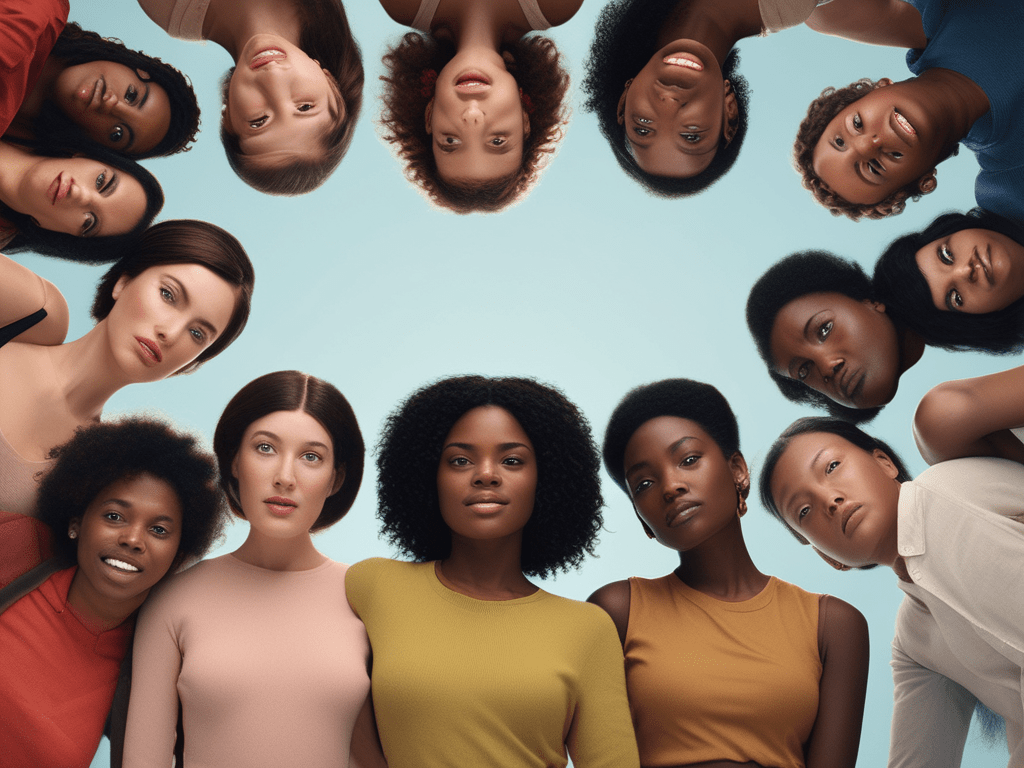
However, the composition and behaviour of the skin microbiome are not uniform across individuals and are significantly influenced by skin tone. Skin tone is largely determined by melanin, a pigment that varies in concentration across different populations. Melanin levels, which are generally higher in darker skin tones, offer increased protection against ultraviolet (UV) radiation, affect skin moisture retention, and influence sebum production. These factors, in turn, create unique environments for microbial communities to thrive (2).
Darker skin tones, which tend to have a more acidic pH, have been observed to harbour microbial communities that differ significantly from those in lighter skin tones (3). These variations reflects the importance of understanding how skin tone shapes the microbiome’s composition and functionality, which is crucial for both dermatological research and forensic applications.
Implications for Personalized Skincare and Health
The microbial diversity associated with varying skin tones has profound implications for personalized skincare and health. Differences in microbial communities driven by factors such as UV exposure, moisture levels, and sebum production necessitate tailored skincare solutions.
For example, products designed to balance microbial profiles specific to particular skin tones can effectively address skin issues like acne, hyperpigmentation, and other conditions. The use of probiotics and prebiotics in skincare might help restore microbial balance, catering to the unique needs of the skin’s microbiome, and thereby enhancing overall skin health.
By leveraging the insights gained from understanding the microbial diversity across different skin tones, dermatologists and skincare professionals can provide personalized recommendations. These tailored approaches can optimize treatment efficacy and contribute to the broader goal of improving individual skin health.
Implications for Forensic Casework
The relationship between skin tone and microbial diversity offers promising applications in forensic science. The unique microbial profiles linked to different skin tones can be utilized in personal identification and crime scene investigations. Forensic analysis of microbial evidence, such as skin cells or bodily fluids, could yield valuable information about an individual’s skin tone, thereby improving the accuracy of identification and the potential to link suspects to crime scenes.
The identification of skin tone-specific microbial markers could serve as a reliable supplement to traditional forensic methods, offering an additional layer of evidence in criminal investigations and identification of human remains that have decomposed beyond recognition.
Conclusion and Future Directions
The study of how skin tone influences the skin microbiome is crucial for both dermatology and forensic science, highlighting the need for personalized skincare and new forensic methods. In the future, research could focus on developing tailored skincare products, and identifying skin tone-specific microbial markers for forensic use. Additionally, interdisciplinary collaboration will be key to advancing these areas, leading to more personalized and effective approaches in skincare and forensic science.
Acknowledgements
We would like to extend our sincere gratitude to the Quansah Lab members especially Abubakar Mahamud Issah for their invaluable support throughout this project.
Authors’ Contributions
Yahaya Sumara Sulley led the writing. Ramadan Zakaria Danaa contributed significantly to the drafting and revision stages of the manuscript. Erica Agyeman, Anadem Nathaniel Awenseba and John Ayinbono Adongo, worked on multiple drafts and provided valuable input for the final version. Lydia Quansah and Isaac Oboakoh, supervised the entire manuscript preparation, ensuring adherence to academic standards and guiding the publication process.
References
1. Cogen AL, Nizet V, Gallo RL. Skin microbiota: a source of disease or defence? Brazilian J Dermatol. 2008 Mar;158(3):442–55.
2. Brenner M, Hearing VJ. The protective role of melanin against UV damage in human skin. Vol. 84, Photochemistry and Photobiology. 2008. p. 539–49.
3. Markiewicz E, Idowu OC. Melanogenic difference consideration in ethnic skin type: A balance approach between skin brightening applications and beneficial sun exposure. Vol. 13, Clinical, Cosmetic and Investigational Dermatology. Dove Medical Press Ltd.; 2020. p. 215–32.



 Scientect