
Yahaya Sumara Sulley1,3*, Ramadan Zakaria Danaa2,3, Yahuza Ibrahim2,3, Owusu Anasah Isaac2,3, Rebecca Donkor2,3, Isaac Oboakoh1,3, Lydia Quansah1,2,3
1 Department of Forensic Sciences, Faculty of Biosciences, University for Development Studies, Ghana
2 Department of Biotechnology, Faculty of Biosciences, University for Development Studies, Ghana
3 Dr Quansah Lab, (QLab) University for Development Studies, Ghana
Date: 22 August 2024
Introduction
Blood types, determined by the presence or absence of specific antigens on red blood cells, are classified into four main groups: A, B, AB, and O. These blood types play a crucial role in various physiological processes and are linked to susceptibility to infections, cancers, and other health conditions (1).
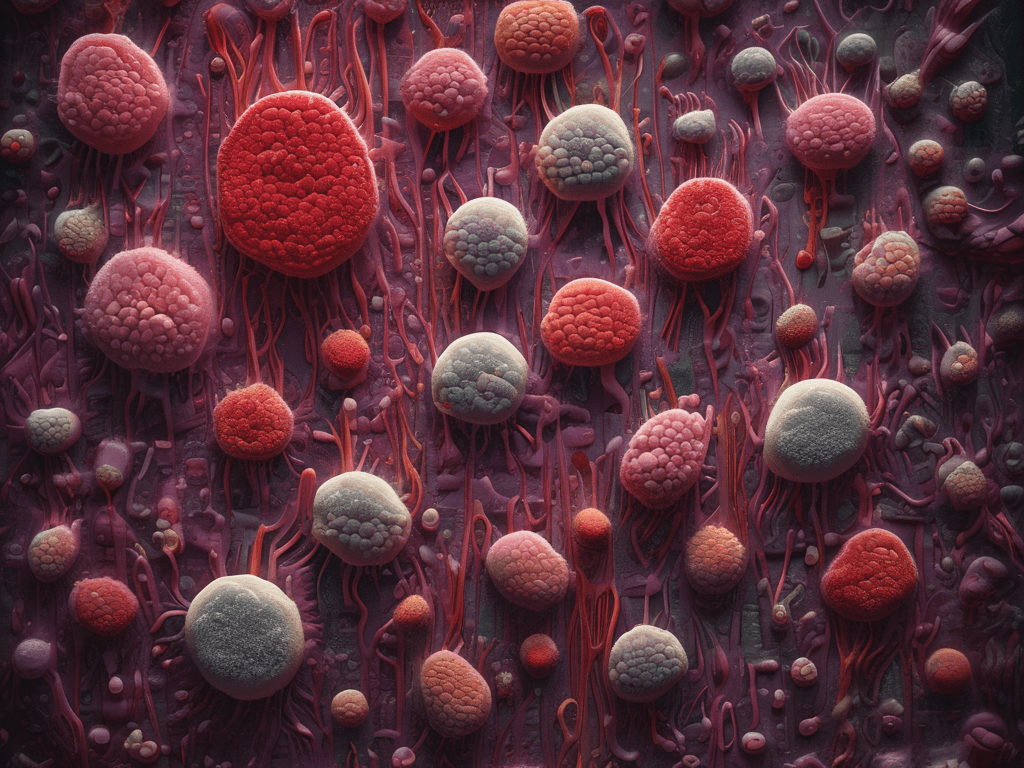
Microbiomes, consisting of diverse microorganisms such as bacteria, fungi, and viruses, are vital for maintaining skin health by defending against pathogens, modulating immune responses, and aiding in wound healing (2). Human microbiome diversity is shaped by genetics, environmental conditions, nutrient availability, microbial interactions, and stress factors. Environmental factors like soil type, pH, temperature, and moisture significantly influence microbial ecosystem on individuals.
Nutrient levels, including nitrogen and phosphorus, impact microbial growth and further influences their community structure (3). Microbial diversity is further affected by interactions such as competition and symbiosis among microorganisms. Environmental stressors, including pollutants and pathogens, can also disrupt microbial balance and alter their community composition (4).
Research indicates that blood type can significantly influence microbial diversity by altering interactions between host glycans and microbes. For instance, blood type A has been linked to the growth of Faecalibacterium prausnitzii, which benefits gut health (5).
Blood type may also affect susceptibility to infections, as certain pathogens exploit blood group antigens to invade host cells. These interactions suggest that blood type could play a role in shaping microbial profiles and influencing health outcomes (5).
Case box
In a study highlighting the link between blood type and Helicobacter pylori (H. pylori) infection, researchers uncovered a significant correlation between blood type O and increased bacterial adherence. The case of a patient with blood type O, who presented with chronic gastritis and a severe H. pylori infection, exemplified this relationship. Diagnostic tests revealed that the H. pylori strain isolated from this patient had a strong preference for binding to Lewisb (Leb) antigens, which are more prevalent in blood type O individuals. This enhanced adherence may contribute to more severe gastric conditions, such as chronic gastritis and peptic ulcers, showing the clinical relevance of blood type in susceptibility to H. pylori infections and advocating for tailored therapeutic approaches based on blood group antigens (6).
Applications of Blood Type-Influenced Microbiomes
Determining an individual’s blood type could unlock significant potential in applying blood type-influenced microbiomes across various fields, particularly in forensic science and dermatology. In forensic science, identifying a person’s blood type could reveal a unique microbiome profile that may serve as a valuable biomarker.
For example, the microbial communities specific to different blood types present in bodily fluids such as blood, saliva, or sweat (secreators) might help distinguish between samples at a crime scene. This could offer a practical approach to forensic analysis, providing distinct microbial signatures that enhance the accuracy of linking biological evidence to individuals.
In dermatology, knowing an individual’s blood type could refine the understanding of how blood type influences the skin microbiome, leading to practical clinical applications. For instance, blood type-specific microbial patterns on the skin could help identify the causes of localized skin conditions like eczema or psoriasis. This could facilitate the development of targeted treatments and more effective monitoring of treatment outcomes.
Conclusion and Future Directions
Research into the relationship between blood types and skin microbiomes is still developing. Future studies should explore confounding factors such as age, diet, and health status and employ advanced sequencing technologies to further understand these complex interactions. These insights could lead to novel microbiome-based therapies and preventive measures, enhancing our understanding of microbiomes’ role.
Authors’ Contributions
Yahaya Sumara Sulley led the writing. Ramadan Zakaria Danaa contributed significantly to the drafting and revision stages of the manuscript. Yahuza Ibrahim, Owusu Anasah Isaac, Rebecca Donkor, worked on multiple drafts and provided valuable input for the final version. Lydia Quansah and Isaac Oboakoh, supervised the entire manuscript preparation, ensuring adherence to academic standards and guiding the publication process.
References
1. Wu K, Lindsted KD, Lee JW. Blood type and the five factors of personality in Asia. Pers Individ Dif. 2005 Mar;38(4):797–808.
2. Cogen AL, Nizet V, Gallo RL. Skin microbiota: a source of disease or defence? Brazilian J Dermatol. 2008 Mar;158(3):442–55.
3. Warinner C, Speller C, Collins MJ, Lewis CM. Ancient human microbiomes. J Hum Evol. 2015 Feb 1;79:125–36.
4. Johnson KVA, Burnet PWJ. Microbiome: should we diversify from diversity? Gut Microbes. 2016 Nov 1;7(6):455–8.
5. Garnett JA, Palma AS, Liu B, Liu Y. Editorial: Glycans as Players in Host-Microbe Interactions: A Structural Perspective. Vol. 8, Frontiers in Molecular Biosciences. Frontiers Media S.A.; 2021.
6. Hooper L V, Gordon JI. MINI REVIEW Glycans as legislators of host-microbial interactions: spanning the spectrum from symbiosis to pathogenicity. Vol. 11, Glycobiology. 2001.



 Scientect